

























































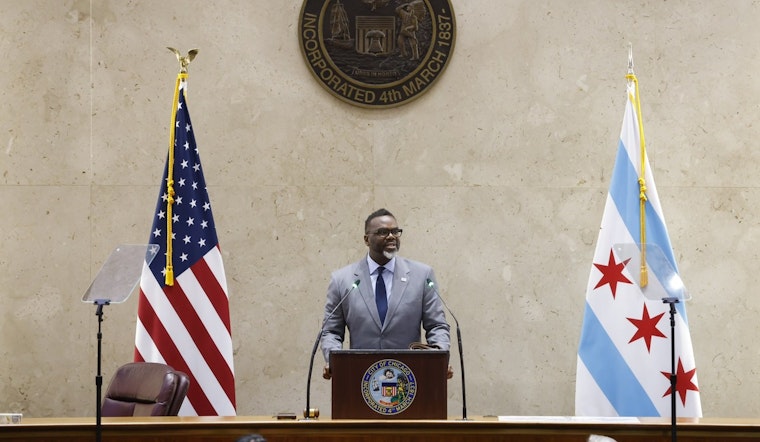
Chicago Mayor Brandon Johnson has continued his vocal criticism of his predecessor Rahm Emanuel, placing blame on Emanuel's policies for the city's financial woes and drawing a sharp comparison between the former mayor and President Donald Trump. "The playbook that Donald Trump is running is the playbook Rahm Emanuel executed in the city," Johnson said, suggesting a lineage of political strategies harmful to Chicago's public education system and, particularly, its minority populations. This scathing critique came during a news conference in which Johnson was expected to discuss school funding, but instead used the platform to lambaste Emanuel's potential return to political office, according to the Chicago Sun-Times.
The tensions between Johnson and Emanuel, which have historical roots in their disparate visions for the city, appear to be escalating as Emanuel hints at a future bid for public service. During his mayoral tenure, Emanuel made controversial decisions like shutting down 50 public schools in 2013 and was accused by Johnson of expressing " immense disdain for public education — and particularly for Black, brown, and poor children." Emanuel's reputed disregard for the welfare of the city's vulnerable demographics, and the resulting policies, were brought to light once again by Johnson in the wake of Emanuel's ambiguous political signals, as reported by CBS News Chicago.
Despite Johnson's sharp critiques aimed at undermining Emanuel's record and perceived neoliberal agenda, some have come to the defense of the former mayor. Notably, Democratic political strategist James Carville questioned whose judgment Chicagoans would trust more, implicitly supporting Emanuel by referencing his relationship with former President Barack Obama. "If this guy thinks that he’s smarter about human beings than Barack Obama, then that’s his business,” Carville added. “I don’t think people agree with him," Carville told interviewers from the Chicago Sun-Times.
Meanwhile, the issue of the Chicago Bears' potential move to Arlington Heights continues to develop, an issue Johnson has been asked to comment on. He dismissed the notion that any progress in Arlington Heights put pressure on his administration: "I don't mess around and play in that sort of puerile approach toward governance." In the complex interplay of city planning and sports franchise moves, Mayor Johnson's focus remains set on the legacy of decisions made by Emanuel and the far-reaching implications of mayoral policies.




