

























































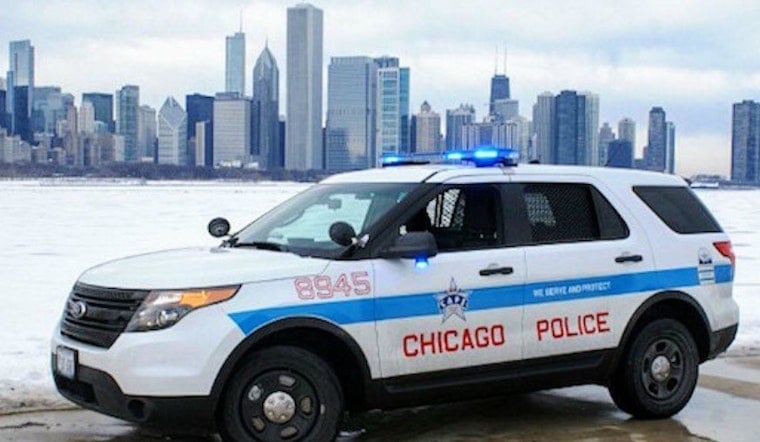
The Chicago Police Department is facing significant revisions to its traffic stop policy, as evidenced by a draft policy that prioritizes the constitutional rights of drivers while attempting to alleviate community concerns over bias and unfairness. In an interview with the Chicago Tribune, Police Superintendent Larry Snelling emphasized, "when our officers are out there making traffic stops that they are performing constitutionally, but at the same time we don’t want to take away an officer’s ability to get to the bottom of certain types of crime to make the streets a lot safer."
Meanwhile, the Community Commission for Public Safety and Accountability (CCPSA) has voiced concerns, suggesting that minor offenses, such as an expired license plate or a nonfunctioning light bulb, should not be grounds for a stop. According to a report by the Chicago Sun-Times, Anthony Driver, the commission president, questioned, "why would we have police officers pulling people over for a light bulb on the top of their license plate?" He argues, this use of police resources could be better allocated, especially considering the force operates with 2,000 fewer officers than it had in previous years.
The CPD's draft was formulated after the department conducted listening sessions citywide to understand community expectations better. This engagement followed the revelation that traffic stops, which had been rising sharply after 2015, were rarely documented correctly with officers often failing to issue an “Investigatory Stop Receipt,” according to an Impact for Equity report. Now, issuing such receipts is among the procedural mandates of the new draft.
Despite these adjustments, criticism persists, both inside and outside law enforcement circles. Ald. Anthony Napolitano, a former police officer, has reiterated the effectiveness of traffic stops in uncovering serious crimes, telling the Sun-Times, "As you make your stops based on laws and somebody breaking those laws, other crimes are usually discovered at that time." However, civil rights advocates, including those in the ACLU of Illinois, continue to call for a halt to pretextual stops for contraband searches or general crime deterrence purposes, except for enforcing moving violations pertinent to roadway safety.
While the attempt to bridge the gap between law enforcement effectiveness and public trust continues, the traffic stop policy undergoes further scrutiny. The draft still awaits negotiation with the Illinois attorney general's office concerning its inclusion in the federal consent decree, a proposition which may yet face a judge's approval. As the city grapples with finding that balance, it is clear that the conversation about fair policing practices is far from over.





