

























































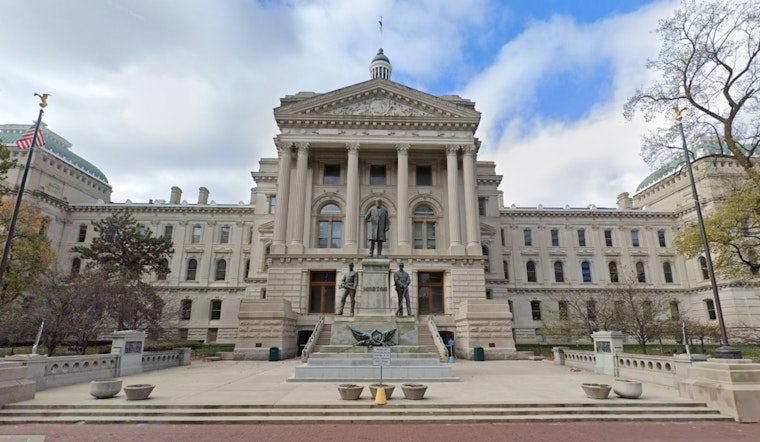
Hundreds of Indiana residents from approximately 30 counties gathered at the statehouse this past Tuesday, voicing their opposition to the proposed federal cuts to Medicaid and the consequences of Senate Bill 2. If passed, the bill could potentially strip at least 150,000 individuals from the state's Healthy Indiana Plan Program, as reported by FOX59. Among the protesters was Ashley Caveda, a Medicaid member who relies on the program for independent living support following a paralysis-inducing accident in her youth. "SB 2 could be very harmful to people with disabilities," Caveda told FOX59.
The Healthy Indiana Program, which serves Hoosiers between the ages of 19 and 64 within certain income brackets, is facing potential enrollment caps as part of the proposed alterations under Senate Bill 2. Amendments have been made to address some concerns, but the fundamental changes include an $880 billion reduction in Medicaid funding previously passed by the House of Representatives, a move that is stirring up a considerable outcry. According to WTHR, the rally at the Statehouse signals growing discontent among the state's residents about these potential impacts on their healthcare services.
Rally participants also pointed out the costly nature of the proposed work requirements and quarterly eligibility checks. The implementation of such measures would seemingly likely require more administrative efforts and, hence, additional state funds. This is despite the fact that the federal government currently funds 90% of the Healthy Indiana Plan (HIP), with the remainder covered by state-provider and cigarette taxes. Nonetheless, the proposed federal budget cuts threaten this delicate balance, targeting Medicaid expansion populations including those enrolled in HIP. This information comes from a statement obtained by Indiana Capital Chronicle, highlighting how the bill could bring about more than just reductions to enrollee numbers.
The drive to reconsider the Healthy Indiana Program seems partially motivated by the belief that the funding mechanism may no longer be sustainable, particularly in the face of potential federal action. The bill's author has stated an intent to revisit the program's funding as part of a broader re-evaluation. As protesters make clear, the potential cuts to Medicaid could deeply impact those who depend on these services for their healthcare needs, as well as those who are already vulnerable, including individuals with disabilities. The Indiana Statehouse became a focal point for these concerns, representing a broader unease about healthcare security in the state.



