

























































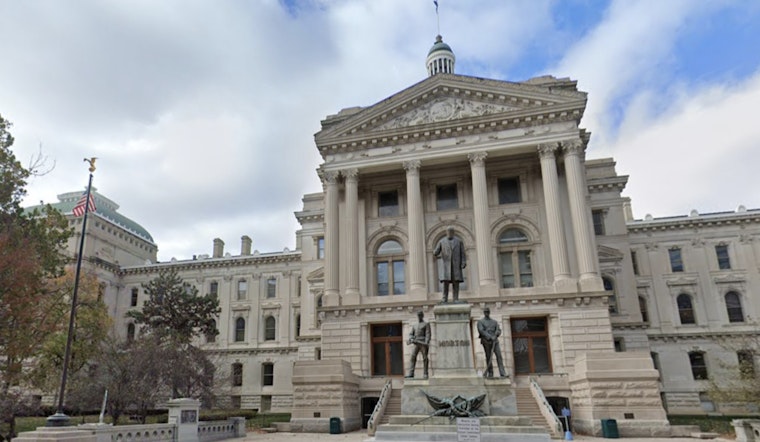
The Indiana House of Representatives has wrapped its 2025 legislative session, finalizing a state budget that promises to balance spending and carve out significant tax relief for residents. According to House Speaker Todd Huston (R-Fishers), the state looks to foster a more efficient government while adhering to fiscal responsibility. "We're ending the 2025 legislative session with the passage of a balanced state budget that makes government more efficient, supports our key priorities and provides tax relief for Hoosiers," said Huston in a statement obtained by the Indiana House Republicans. Residents can expect around $600 million in tax cuts in 2026 and $700 million the following year.
Legislative feats this session include advancements on all eight of the House Republican priority items. Huston highlighted, passed was House Enrolled Act 1001, aiming for a reduced government expenditure while bolstering education and public safety. With small things in mind, under House Enrolled Act 1002, K-12 schools will see regulations minimized to supposedly allow greater local control over educational decisions. Among other passed legislation, the acts hope to address health care costs, energy economy needs, and housing access challenges. Speaker Huston's initiative, House Enrolled Act 1008, even opens a controversial door, welcoming Illinois counties with ambitions to secede their current state to join Indiana.
Trimming health care costs for Indiana's residents has been addressed with House Enrolled Act 1003, which looks to improve pricing transparency, billing predictability, and put forth patient empowerment in treatment decisions. Correspondingly, the focus on nonprofit hospitals to uphold their health-centric missions is intensified by the passing of House Enrolled Act 1004. Both pieces of legislation seek to edit the narrative on health care efficiency within the state.
Indiana's energy economy is set for reform as House Enrolled Act 1007 was favored, which is an attempt to sync with the evolving energy landscape while trimming costs for residents. Concurrently, the effectiveness of prosecutors is now under greater scrutiny; as was created by House Enrolled Act 1006, a review board will investigate any prosecutors with reluctance to enforce state laws. Strengthening the bones of the Hoosier state, improvements in housing access are charted out by the updated Residential Housing Infrastructure Assistance Program through House Enrolled Act 1005, which promises a more streamlined regulatory process for housing development.





