

























































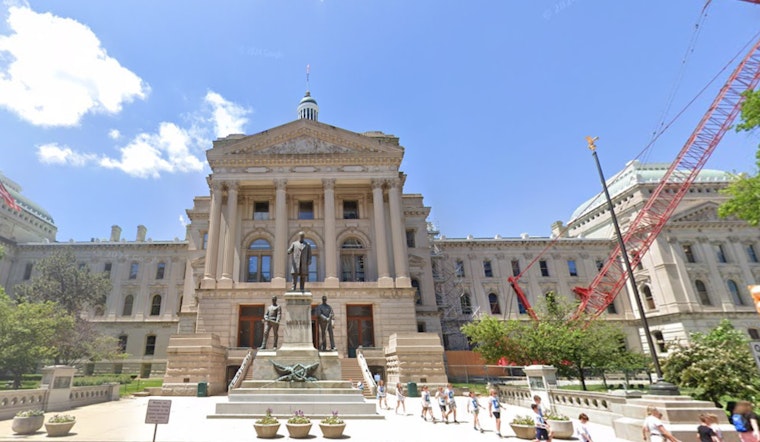
The Indiana legislative session has drawn to a close, with a series of noteworthy bills getting the nod from the General Assembly. In a statement, to Indiana House Republicans, Representative Davis highlighted the passage of legislation that ranged from property tax relief to school board election reform.
Key among the bills is House Enrolled Act 1041, which now prohibits biological men from competing in female sports at the post-secondary level in Indiana. This move, which Davis proudly championed, follows in the footsteps of executive orders previously put in place by President Donald Trump and Governor Mike Braun, "ensures that biological men cannot compete in female sports at the post-secondary level in the state of Indiana," per the Indiana House Republicans report. The narrative surrounding this piece of legislation is fraught with controversy, as it intersects with debates over gender, fairness, and inclusion in sports.
The legislative session also saw the approval of House Concurrent Resolution 2, named in honor of Indiana State Police Trooper Aaron N. Smith. A hero fallen in the line of duty, Trooper Smith's name will grace a section of U.S. 31 as a reminder of his service and sacrifice, the section promises to be a lasting memorial for a life given in service to the community.
On the education front, Senate Enrolled Act 255, which Davis sponsored, addresses bullying in schools by obligating swift notification of parents about any incidents. "This legislation strengthens Indiana's response to bullying in schools by making sure parents are quickly informed when an investigation begins and ends," according to Indiana House Republicans. Transparency and speed are at the heart of the bill, ensuring that families remain informed and that student welfare is given priority.
Senate Enrolled Act 287 marks another stride towards transparency, this time in school board elections. By requiring candidates to declare their political affiliation—or their status as independent or non-partisan—it aims to give voters clear insights into the politicization of these roles. Davis co-sponsored the legislation, signaling a commitment to voter information accuracy in local educational governance.
With the session wrapped up, Representative Davis maintains that their office remains active and accessible for constituent interaction. They encourage public engagement and feedback, offering a newsletter sign-up for ongoing updates in state legislative matters. The conclusion of the session seems to be marked by an invitation for ongoing dialogue and participation from Indiana's citizens.



