

























































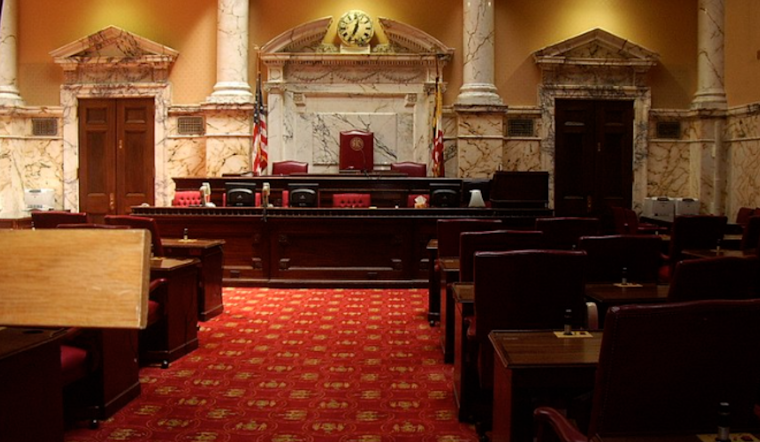
Maryland's Senate has been in deep discussion over a collection of energy bills that, if enacted, look to reshape the state's approach to energy generation and provide some financial relief to utility bill-payers amid rising costs. A significant bill under consideration, the Next Generation Energy Act, proposes returning funds to ratepayers during high-usage periods, potentially giving the average residential customer an estimated $40 back. "Every single dollar counts, any time we're able to put this kind of money back into the hands of ratepayers we want to do that," Senator Malcolm Augustine defended the bill as quoted by WMAR2 News.
As detailed in a WBAL TV report, the legislative package includes a plan to tap into the state's Strategic Energy Investment Fund for $200 million. This fund would pay out rebates to Baltimore Gas and Electric customers during summer and winter peaks. That being said, the package addresses not only immediate financial concerns but also fosters long-term solutions by expediting the permit process for new power plants and encouraging the growth of solar energy and battery storage.
Further, according to Maryland Matters, the Senate has approved this energy reform package that could yield average rebates of $80 on electric bills in the next fiscal year. Senate President Bill Ferguson emphasized the need to confront the larger issue of power generation, stating, "what we have immediately available of ratepayer money and returning it to ratepayers in the most efficient way that we can, while focusing on the longer term, complex problem of increasing generation, and making it cleaner."
Despite some bipartisan approval, the bills have been met with reservations, especially from Republicans concerned about the impact on rural farmland and the state's renewable energy policy. In one hot debate, when proposed land limitation for solar projects to 5% in priority preservation areas was discussed, Senator Steve Hershey stated, as reported by WMAR2 News, "We are talking about utility scale solar that is eating up much of the agricultural fields and lands especially in the eastern shore of Maryland." There were also attempts to amend the Renewable Portfolio Standard to reflect better the state's definitions of energy sources eligible for credit.
As the legislative session nears its end, these energy bills are heading to the House. They aim to lower energy prices, boost local energy production, and provide quick financial relief to Marylanders facing high utility costs.




