

























































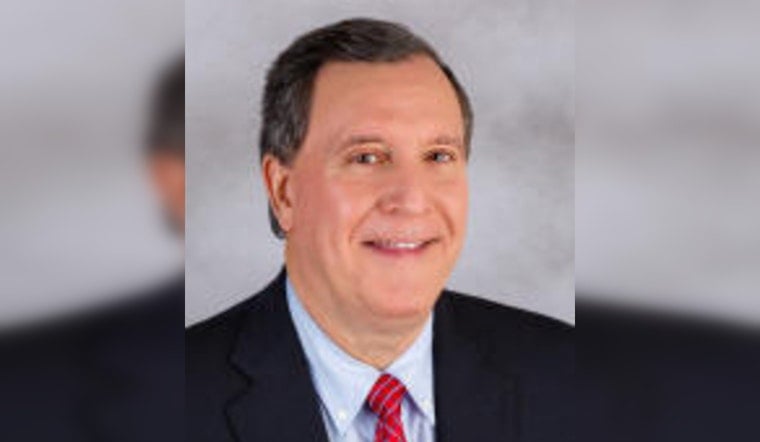
After facing a tumultuous period marked by accusations and a high-profile civil lawsuit, Miami Commissioner Joe Carollo has been cleared of criminal wrongdoing by the Broward State Attorney’s Office in a yearslong public corruption investigation. The probe centered on allegations that Carollo had engaged in stalking and harassment towards Bill Fuller, the owner of Miami's Ball & Chain lounge, and that he threatened former Miami Police Chief Art Acevedo.
Assistant State Attorney Alexandra Weil, in a closeout memo, clarified that "The State cannot prove beyond a reasonable doubt that Carollo’s actions rose to a criminal offense," as reported by the Miami Herald. This memo puts an end to a contentious chapter, yet Carollo remains embroiled in another legal battle alleging that he violated the First Amendment rights, and illegally retaliated against Acevedo.
Julio Gonzalez, who leads Broward's Public Corruption Unit, and the rest of the team, took over the case to avoid potential conflicts of interest, with investigations into Miami-Dade County affairs. Despite his legal challenges, Carollo is potentially eyeing a mayoral run, concurrent with a fundraiser held by Miami First, a political committee with ties to the commissioner. While Carollo has not confirmed his candidacy, the timing of the fundraiser drew criticism as it coincided with memorial services for the late Commissioner Manolo Reyes. Carollo acknowledged the overlap, telling the Miami Herald, "This is something that had been planned way before. It’s not in my control to cancel something that others have done, and this has got nothing to do with Manolo."
Carollo’s troubles are not entirely behind him. He's been ordered to pay $63 million after losing a civil case in which a jury found that he weaponized police and code enforcement officers against Fuller and his business partner Martin Pinilla. However, Carollo maintains his innocence. "I never even knew that I was being investigated," Carollo said in a statement obtained by 7News. He asserts that the accusations brought forth were unfounded, pointing fingers at Fuller and Acevedo for their part in the ordeal. Fuller and Pinilla did not respond to requests for comment on the investigation's outcome.
Moving forward, it remains to be seen how this development will affect Carollo's political trajectory and the perception of governance in Miami. As legal proceedings continue, the city watches on, weighing the cleared criminal allegations against the towering judgment in the civil courts, and wondering if justice is a balancing scale, or if sometimes, the scales might tip under weights unseen.





