

























































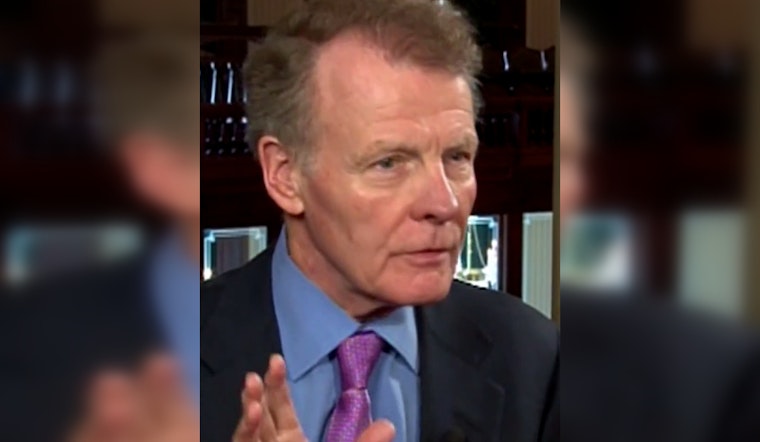
Federal prosecutors have taken a step back in the case against former Illinois House Speaker Michael J. Madigan, dropping their bid to have him forfeit $3.1 million after his conviction for his role in a bribery scandal. In a recent status update submitted to U.S. District Judge John Blakey, prosecutors cited discretion as the reason for no longer seeking the forfeiture judgment against Madigan, emphasized in a Chicago Sun-Times report. This decision might lead to the cancellation of a June 9th forfeiture hearing, although the judge has not yet formally responded to the change in the government's stance.
Earlier in March, prosecutors argued, as stated by Assistant U.S. Attorney Sarah Streicker in a document quoted by the Chicago Sun-Times, that Madigan "controlled and benefited from the bribes" even though those were paid to his associates, not directly to him. Despite the reversal, Madigan is still due for sentencing on June 13, when he could potentially face prison time for his role in the bribery scheme involving the utility company ComEd and other offenses.
The abrupt decision to no longer pursue the forfeiture raises questions about the prosecutor's change in strategy, especially considering the office's recent change in leadership. Andrew Boutros assumed the role of interim U.S. attorney shortly after the initial request for the $3.1 million judgment was put forth. Before the forfeiture reversal, Madigan faced accusations of influencing legislation in exchange for financial benefits to his allies and himself, as per findings from a lengthy trial covered in an article published by CBS News Chicago.
Madigan's conviction in February on 10 corruption counts, which included charges of bribery conspiracy, bribery, and wire fraud, followed a trial that spanned four months. Although acquitted on seven charges, the jury could not reach a verdict on six others. According to information in a CBS News Chicago report, the corrupted dealings involved no-show jobs orchestrated with companies such as ComEd and AT&T in return for legislative favoritism. The prosecutors claimed, "These payments saved Madigan from having to spend money from his own political committees." Sentencing recommendations from prosecutors are expected by May 30.
While it remains to be seen what the ultimate sentence will be, what's clear is the forfeiture component initially deemed a significant part of the accountability process, as documented in the coverage of the case, has been taken off the table. With his long tenure as a political figure now overshadowed by his legal battles, Madigan awaits a final judgment on his fate that will surely reflect on the wider implications of political corruption and its consequences.




