

























































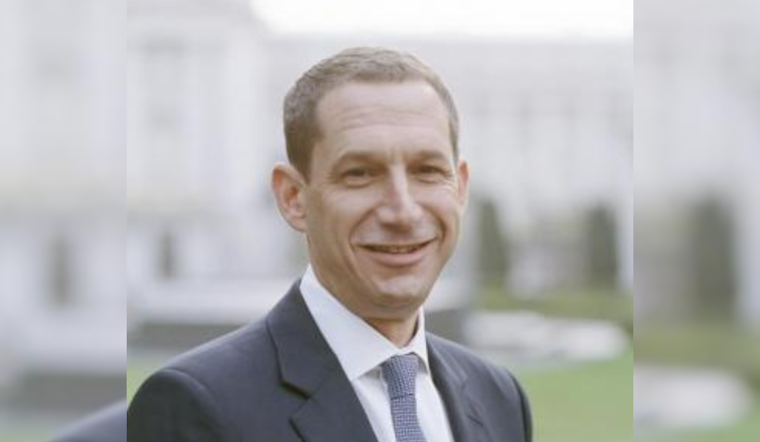
The streets of San Francisco's SoMa neighborhood are echoing with a new tone, reflective of a significant effort to address the longstanding issues of homelessness and substance abuse, according to a report released by Mayor Daniel Lurie's office and statements published on the social platform X.com. ABC7 News reported that the city's mobile triage unit, aimed at connecting those without homes or those grappling with addiction to services, has already served over 12,000 individuals since its inception in early February.
With the police department at the helm, the unit has facilitated a "Close collaboration between law enforcement, social services and health services provided the right mix of 'carrots and sticks' to bring people off the sidewalks," the Mayor's office report indicated per ABC7 News, but the initiative has also met challenges, such as the unintended consequence of displacing these individuals to adjacent neighborhoods, and the inadequacy in meeting the demand for shelter and treatment beds an issue compounded by the fact that some services and shelter beds aren't aligning well with the needs of the populace they aim to assist.
Henry Karnilowicz, the South of Market Business Association president, noticed a palpable change in the local milieu, citing a reduction in visible homelessness and drug use, "It's much cleaner now. You don't have all the people hanging out there all the time. That has been a big change," he told ABC7 News. Karnilowicz's perspective comes from a place of experience, having observed numerous businesses in SoMa shutter their doors in despair over the challenging conditions exacerbated by rampant homelessness and drug problems.
In a parallel effort to inform future directions, a memo by Kunal Modi presented the outcomes and learnings of the 30-day pilot, acknowledging the need for adaptations: treatment beds ran out swiftly, and reuniting individuals with their families proved more challenging than anticipated. Moreover, the pilot has inspired the new street teams model, accelerated interim housing expansion planning, quickened the response to displacement, and matured department data integration efforts. This multifaceted approach signals an evolution in the city's strategy to compassionately and effectively deal with the complexities of urban social challenges.
We have completed 30 days operational at the mobile triage unit to improve street conditions on 6th street. Here’s a memo outlining data collected, what we learned, how the pilot is informing our work going forward.
— Kunal Modi (@kunalmodi) March 31, 2025
What worked well: coordination of PD / health / social service… pic.twitter.com/U5kSTqMUJS





