

























































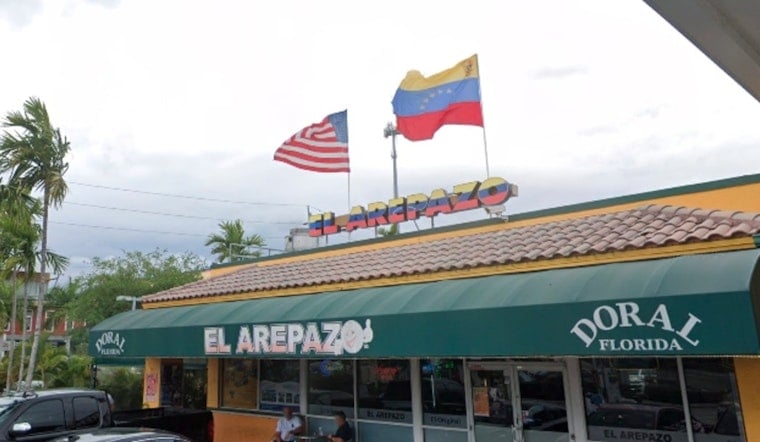
Policy changes in Washington are impacting Venezuelan migrants in Doral, Miami, as the Trump administration has ended two federal programs that allowed over 700,000 Venezuelans to live and work in the U.S. without fear of deportation. NBC Miami reported that these programs have been crucial for many who had found a new life in the U.S.
The policy change is causing concern in Doral, where Spanish is commonly spoken, and the aroma of arepas fills the air, as reported by WSVN.
The shift affects people like Wilmer Escaray, a former Venezuelan migrant who now owns a dozen businesses employing others from Venezuela. "It's really quite unfortunate to lose that human capital because there are people who do work here that other people won't do," Escaray told NBC Miami.
Individuals like John, who came to the U.S. nine years ago and now runs a construction company, confront a fraught future. Both he and his wife, who aids in the business and doubles as a real-estate broker, are beneficiaries of the Temporary Protected Status (TPS) program. Their 5-year-old, U.S.-born daughter represents the heartbreaking stakes, as John relayed to WSVN, expressing that "it hurts us that the government is turning its back on us."
Most Republicans have stayed silent on the issue, except for three Cuban-American representatives from Florida who have opposed the deportations. They are calling for a focused approach on Venezuelans without criminal records. Doral's mayor has written a letter to the president, urging for legal pathways for these individuals. "These families do not want handouts," Christi Fraga stated, according to NBC Miami, "they want an opportunity to continue working, building, and investing in the United States."
The uncertainty stems from the experiences of a diaspora seeking stability in a foreign land. Frank Carreño, President of the Venezuelan American Chamber of Commerce, emphasized that many of these individuals have no desire or means to return to a troubled Venezuela. "What is going to happen? People don't want to return or can't return to Venezuela," Carreño told WSVN.





