

























































In a decisive move that stands to reshape the face of public transportation policy, the Washington State Legislature has passed a pivotal bill, now bound for the Governor's desk. This legislation, known as House Bill 1418, successfully cleared the State Senate with strong bipartisan support, signaling a potential shift towards more inclusive governance over local transit systems. According to the Washington State House Democrats, the bill's key provision is the option for Public Transit Benefit Areas to add two voting members to their boards who are current transit users themselves, with one member being dependent on such services and the other representing an organization serving transit riders.
The newly passed bill aims to directly integrate the voices of those who regularly use public transportation into the decision-making entities that govern it. In a move to ensure these voices aren't just heard, but also wield policy-shaping power, the groundbreaking bill lays the foundation to potentially disrupt the status quo of Public Transit Benefit Areas board composition. Currently, these boards are typically comprised of elected local officials and a nonvoting labor representative. The legislation seeks to not only diversify this lineup but also mandates that Public Transit Benefit Areas meetings be, henceforward, held at times and locales that are easily accessible by public transit, as reported by the Washington State House Democrats.
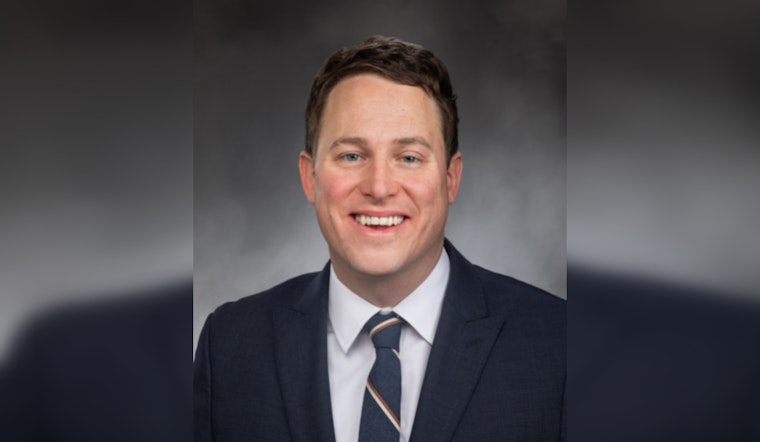
Public Transit Benefit Areas are designed by Washington state law to provide transit services across counties or multi-county regions, with such bodies numbering 21 statewide, including the Whatcom Transportation Authority. Under the guidance of House Bill 1418, these governing boards could see a necessary elevation in participant diversity and consequently, perspective. Rep. Joe Timmons (D-Bellingham), the bill's sponsor, is quoted in the Washington State House Democrats' blog, stating, "This is a significant barrier for people who rely on transit. My bill provides local transit agencies the option to make this change to their governing bodies to elevate the lived experiences and expertise of transit users."
Advocates of the bill argue it will foster a democracy more reflective of its constituents. Backing this assertion is a 2023 study mentioned in the source article, noting that a full 25% of Washington residents do not possess a driver's license, with many unable to afford a personal vehicle or living with disabilities that force them to depend upon alternative forms of transit. Rep. Timmons further emphasized the spirit of House Bill 1418, saying, "Many people across the state depend upon transit to get to school, work, the grocery store, and medical appointments, and I’ve heard from constituents whose entire lives are shaped by bus schedules and routes, fare prices, and accessibility options," as per the Washington State House Democrats. A nod to those who have had to adapt their lives to the hard bones of transit infrastructure, the bill is viewed as a beacon for more participatory governance.





