

























































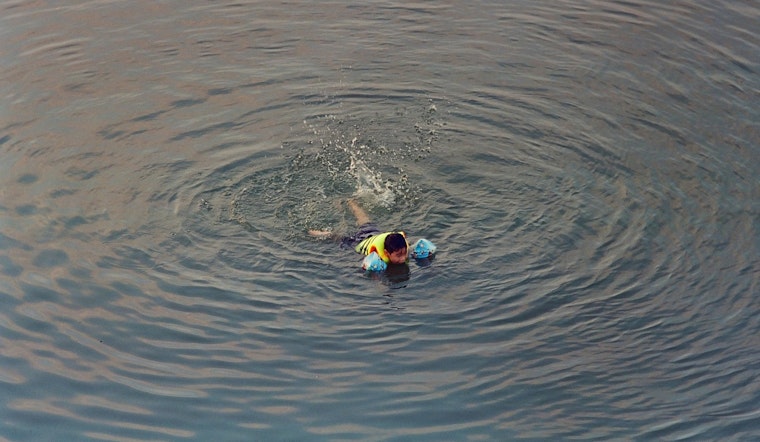
As temperatures rise and the call of the outdoors grows stronger, the Illinois Department of Children and Family Services (DCFS) has issued a reminder highlighting the importance of vigilant supervision around water to prevent childhood drownings. According to a press release from the Illinois government, summer is a critical time to reinforce water safety, especially for the youngest members of our communities.
In a distressing stat, though accidents can happen with the best of intentions, an increase in unintentional drowning deaths among children has been noticed by the Illinois DCFS. As the agency's Director, Heidi E. Mueller relayed, "Children are easily attracted to water, and even turning your attention away from a child near water for a moment to answer a phone call or tend to a child in the next room can result in dire consequences," according to the published release. The DCFS implores caregivers to remain water-wise and always supervise their children.
Last year, Illinois mourned the accidental drowning of 19 children. The ages and circumstances vary, but the suffering echoes alike, with nine victims under the age of 5. "Drownings happen quickly and silently in as little as one inch of water," Mueller said, emphasizing the quiet and rapid nature of these tragedies. The Centers for Disease Control and Prevention (CDC) reports a 28% spike in drowning deaths among children aged 1 to 4 between 2019 and 2022, making it the leading cause of death for that age group.
Preventative measures are straightforward yet critical; never leave a young child alone in a bathtub, secure toilet lids, and empty household buckets post-use. The DCFS press release outlines steps such as appointing an adult who can swim to supervise pool activities and enrolling children in swimming lessons. Flotation devices and supervision around ponds and fountains are also recommended, though the devices should not be seen as a failsafe solution. Parents and caregivers are encouraged to learn CPR and have rescue equipment at hand near water bodies.
For additional resources and detailed water safety information, Illinois DCFS urges the public to visit their dedicated water safety page.





