

























































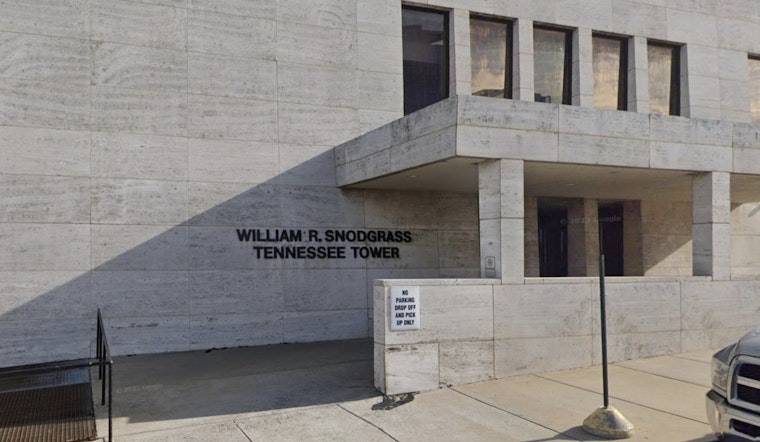
The Sports Wagering Council (SWC) continues to actively enforce the regulations set to maintain a fair and legal betting environment in Tennessee. Most recently, they have issued a $50,000 fine against the offshore sportsbook BUSR for violating state gambling laws.
In what appears to be a consistently rigorous approach to quickly shut down noncompliant organizations, the SWC is making it clear that it won't hesitate to swiftly impose significant penalties. The fine against BUSR comes after the sportsbook decided to ignore a cease and desist letter sent in March. Despite previous warnings and fines against other illegal operations, BUSR continued to accept bets from Tennessee residents.
According to a statement issued by the Tennessee Sports Wagering Council, Executive Director Mary Beth Thomas emphasized the importance of eliminating unauthorized sportsbooks which do not offer necessary consumer protections. "Our mission is to protect the public interest of Tennessee through a safe and regulated sports betting environment, and we encourage any bettors using BUSR to withdraw their money immediately," Thomas stated. She further noted the risks posed by illegal operators compared to the secure environment provided by licensed entities.
The crackdown on illegal betting activities is a part of SWC's greater agenda to foster a safe online gambling ecosystem. Earlier penalties issued to BetUs, MyBookie, Xbet last month, and to Bovada last November show a pattern of determined enforcement. The Council has also targeted Lowvig with a cease and desist letter earlier this month, to signal that they are far from done enforcing the rules.
Tennessee stands out as the largest "online-only" sports betting market in the United States, with over $4.8 billion in legal wagers placed this fiscal year. To help steer bettors away from unauthorized bookmakers, the SWC has outlined clear indicators of illegal operations—such as offering credit to bettors, accepting cryptocurrency, and providing unlicensed casino games.
The Sports Gaming Act empowers the SWC to penalize operators with a $10,000 fine for a first offense of accepting wagers without a license. Subsequent violations escalate from $15,000 to $25,000, with each illegal wager counting as an individual offense. For Tennesseans seeking secure betting options, the Council maintains a list of approved licensees on their website, ensuring bettors can make informed decisions regarding where they choose to wager their money.





