

























































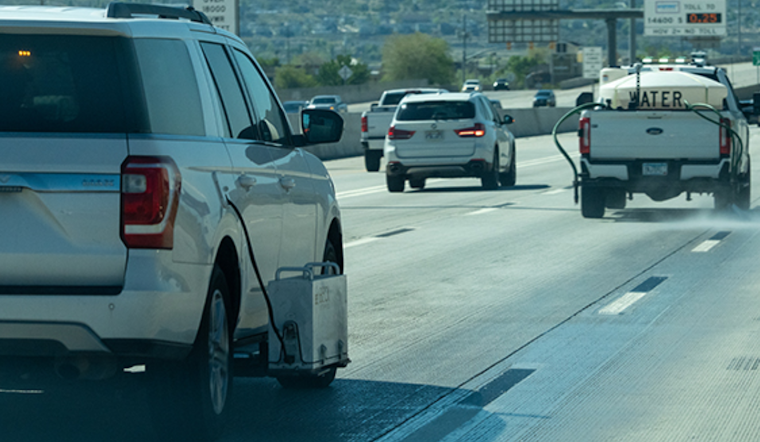
The Utah Department of Transportation (UDOT) is taking a streamlined approach to road safety by upgrading how it assesses the visibility of lane markings using mobile retroreflective technology on Interstate 15, as detailed in a recent UDOT report. Gone are the days when crews would have to brave the bustling highways, armed with retroreflectometers, standing on the highway measuring lane marking visibility, a process that carried risks and burned through both time and taxpayer dollars, according to UDOT.
This week, UDOT crews are working along southbound I-15 in Salt Lake and Utah counties, where they will use this innovative tech to gather data more comprehensively and in various weather conditions which will allow them to determine the next steps towards ensuring clearer lines for drivers, and by using moving vehicles equipped with the new tech, they can enhance worker safety and minimize disruptions for travelers. Retroreflectivity, which works by including special glass beads or microprisms in lane markings to reflect light towards its source and not be scattered, has been improved in UDOT’s road safety arsenal over the last five years with this mobile data collection method.
The shift from the previous retroreflectometer, which involved creating work zones and potentially disrupting traffic, represents a significant advancement in data collection practices. Abdul Wakil, UDOT maintenance asset engineer, as obtained by UDOT, "Any time we can do our jobs safely, and get the data we need without anyone getting hurt and impacting the public, it’s a big win." The new mobile retroreflectometers, or MRUs, attach to cars and can perform assessments even on wet lane striping, as another car ahead splashes water on the marking while the MRU is in operation.





