

























































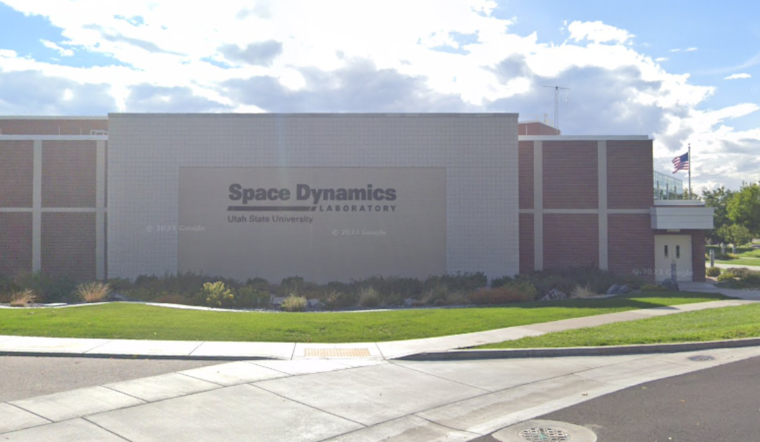
Utah State University's Space Dynamics Laboratory (SDL) is celebrating the accomplishments of its student workforce with 37 graduates heading into the aerospace and defense industry with degrees in hand. As reported by USU Today, these accomplished individuals have amassed a staggering 70,000 hours of work on SDL projects, branching into critical roles in software, defense, and space exploration efforts.
The majority of the SDL graduates specialized in fields integral to the lab's mission, 65 percent earned degrees in computing and engineering disciplines, such as computer science, mechanical engineering, and electrical engineering. They've proven indispensable to missions including NASA's Atmospheric Waves Experiment and the Near-Earth Object Surveyor. Despite a student workforce diversifying into areas like accounting and global communications, a sizeable chunk of graduates leaned heavily into the technical side, mirroring SDL's primary focus in tech and engineering.
Within SDL's multidisciplinary approach, students gain hands-on experience. "The graduating students represent eight colleges at USU and a broad array of disciplines," as per USU Today. Their expertise in 13 different fields contributed to the successes of high-stakes space and defense projects. More specifically, 12 graduates honed in on computer science, engaging in tasks from automation to cybersecurity, while ten mechanical engineering grads helped deliver key hardware components for spacecraft.
Importantly, these new professionals have contributed to SDL's long-standing reputation as a conduit for skilled individuals feeding into the aerospace sector. Some of the graduates will remain with SDL, while others venture to new positions or further education. It's clear SDL, located on USU's Innovation Campus, plays a pivotal role in not just education but the continuance of the United States' competitive edge in space and defense technologies.
SDL stands as one of 15 Department of Defense University Affiliated Research Centers, known for both advising the U.S. government and excelling in domains such as technical problem-solving. It operates across various states with a workforce of 1,400 professionals, a significant number of which are likely proud to have called these graduating students colleagues, and now, successors in the field.





