

























































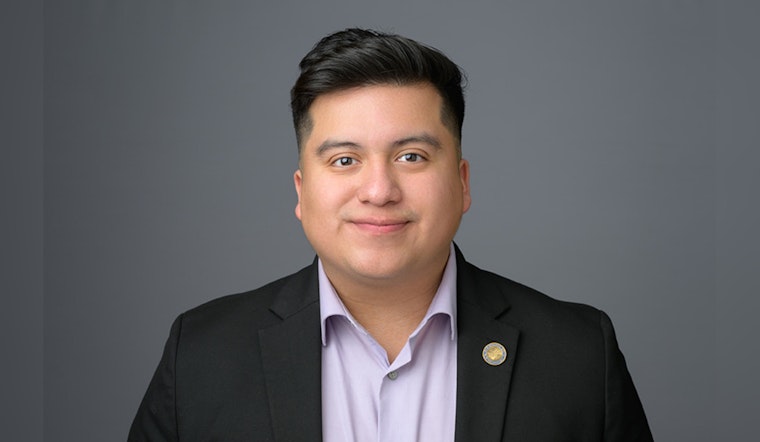
Minneapolis City Councilmember Jason Chavez and his Ward 9 office took a definitive stand yesterday, asserting their ongoing commitment to immigrant rights in the face of federal intimidation. The elected official shared a social media update detailing the efforts made on behalf of immigrants, specifically addressing the tangible climate of fear rippling through their communities. Chavez pledged to "continue to help bring awareness to the rights our communities have," outlining a proactive approach through community engagement and advocacy for targeted funding and policies.
The Immigration Support event, highlighted in Chavez's message, draws a collaborative picture with Hennepin County Attorney Mary Moriarty and other key organizations, including the International Institute of Minnesota and Mid-Minnesota Legal Aid. This event served as a platform to educate attendees on U and T Visa Certifications and provided essential information for marginalized groups, aiming to protect workers, crime victims, and youth against the backdrop of an administration's policy perceived as hostile towards immigrant populations.
At the East Phillips gathering, attendees had access to resources designed to secure their rights and safeguard their well-being amidst a challenging political landscape. "Yesterday afternoon, my office was proud to collaborate and co-host an Immigration Support event," Chavez announced on Facebook. His commitment clearly extends beyond mere words, moving towards creating spaces for legal education and emotional support for those under duress.
As cities like Minneapolis navigate the complexities of immigration policies under differing federal administrations, localized efforts such as these highlight the crucial role of municipal government in providing sanctuary and support. Chavez's office and the participating organizations have shown that grassroots movements and official city policy can coexist and provide a layered network of aid for members in immigrant and marginalized communities. Their continued efforts in holding these events not only serve as a beacon of hope for many, but they also act as a blueprint for other cities grappling with the same issues across the nation.





