

























































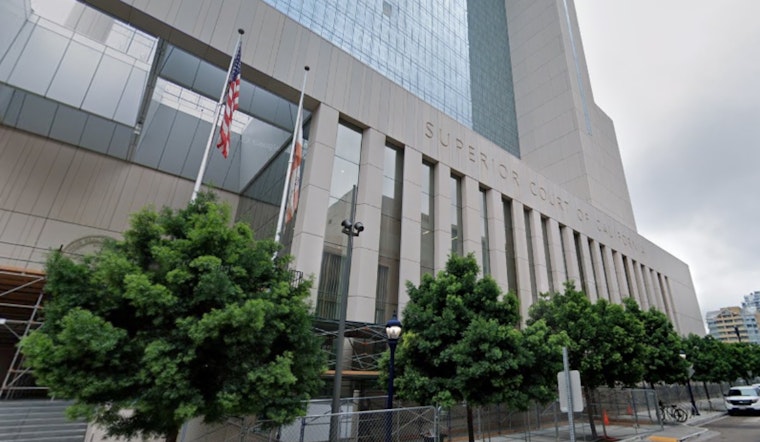
The San Diego Superior Court has issued a public warning about a surge in scam attempts targeting citizens by posing as court officials. The fraudsters have been contacting people via text messages with fake claims of overdue Traffic Court fines, threatening further action if not resolved using specific methods, as reported by the Court. The sophisticated nature of these scams makes them particularly dangerous, as they often alter their tactics. According to the San Diego Superior Court, past schemes have included feigned warrants and jury duty obligations.
In one reported incident, a person received a text message about unpaid court fees and was directed to settle the cost in a convoluted process not sanctioned by any official judicial practice. The scammers have also been known to call victims, identifying themselves falsely as law enforcement officers, demanding payment for missing jury duty under the guise of a court order. In a bizarre turn of events, they told the victim to purchase a money order from a convenience store to pay their alleged fines, as the caller claimed the Court had negated all other forms of payment.
Others were led to believe by someone posing as a court clerk that they had a warrant fine needing immediate cash payment. Complying with the scammer's instructions, some were told to bring the money directly to a courthouse kiosk or meet someone outside the Sheriff’s Office. However, the Court maintains that official communication is carried out via U.S. mail and never through coerced phone calls or text messages.
The Court has affirmed that multiple, legitimate payment options are available for court-related fees and fines and would never require a fine to be paid only in cash. Payments are accepted via cash, credit card, or checks at business offices in courthouses, by mail, or even online, which is a much safer alternative. Victims receiving such suspicious calls or messages should not only ignore them but also promptly report them to local law enforcement agencies to prevent further scams.





