

























































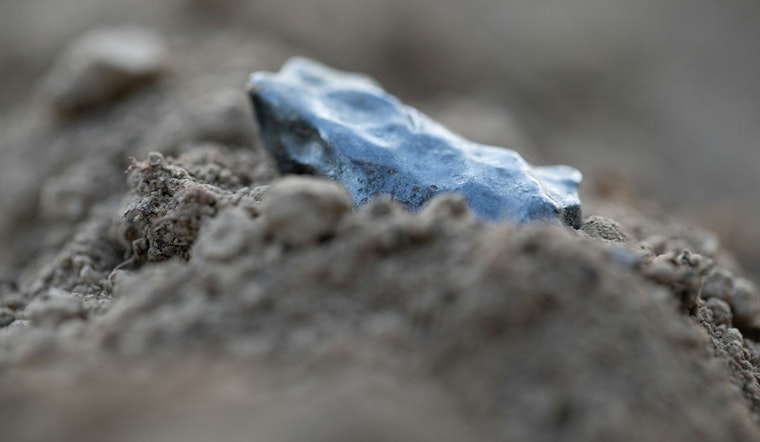
An Arizona meteor hunter has crossed state lines to claim fragments of a meteorite that recently blazed across Georgia's skyline, according to FOX 10 Phoenix. After witnessing the celestial entity on dashcam footage, Robert Ward, who has converted his Prescott, Arizona home into a private meteorite museum, localized and collected pieces of the extra-terrestrial visitor, which NASA confirmed had made its fiery descent on June 26 with a staggering impact equivalent to 20 tons of TNT and a velocity of 30,000 miles per hour.
The hunt resulted in the acquisition of 10 meteorites for Ward's collection, including one that weighed 73.2 grams, as he revealed in a statement obtained by FOX 10 Phoenix. Over in Georgia, the event was more than just a light show since a space rock stormed through a Henry County resident's roof, a rare occurrence that luckily avoided causing harm to any occupants. The homeowner, evidently taken aback by the incident, resorted to calling 911, unsure of how to handle the situation as the rock lay amidst his home's ruins—as reported by The Atlanta Journal-Constitution.
The aftermath has sparked a conversation about who claims ownership of the extraterrestrial rocks. The meteorite hunter from Arizona boasts a renowned collection, and now the residents whose homes were affected by the celestial event may find themselves embroiled in a dispute over the rights to the specimens shuttled unexpectedly into their lives. It's a custody battle set against the backdrop of a cosmic lottery, the stakes of which are pieces of the universe literally falling from the sky.
Ward, a consistent pursuer of meteorites, appeared captivated by the chase, stating, "It came in at a fairly high angle, and looking at the radar data, we can tell everything in a fairly small area, so you’re gonna have a high concentration of stones in a short ground track," to FOX 10 Phoenix. Meanwhile, the distinction between meteors—celestial streaks of light—and meteorites, which are the remains that survive the Earth's atmospheric embrace to collide with our soil, has been brought to public attention by NASA in the wake of these events.


