

























































Bay Area Representative Ro Khanna is leading a congressional push for transparency, introducing an amendment to a major cryptocurrency bill that would force the release of all records related to Jeffrey Epstein's case. The California Democrat's move comes amid mounting pressure on the Trump administration following a controversial Justice Department memo that concluded no "client list" exists in the Epstein investigation.
The amendment targets the GENIUS Act, significant cryptocurrency legislation currently before the House Rules Committee. According to KRON4, Khanna's one-page amendment compels Attorney General Pam Bondi to "retain, preserve, and compile any records or evidence related to any investigation, prosecution, or incarceration of Jeffrey Epstein." The measure also demands these records be published on a publicly accessible website within 30 days of the act's enactment.
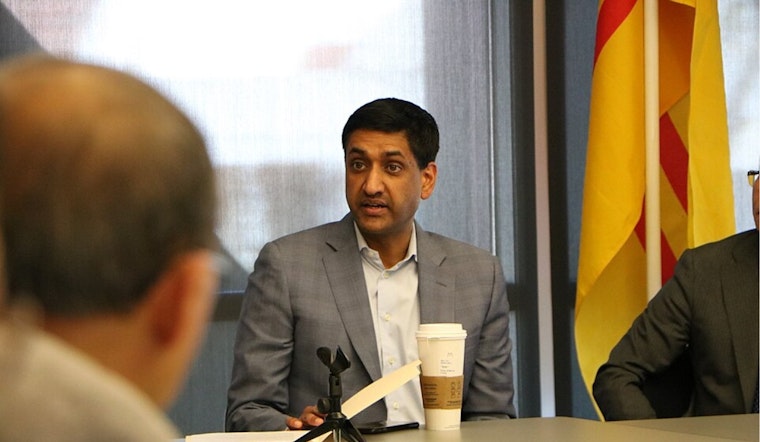
Source: Rep. Ro Khanna / Wikimedia Commons
Timing Follows DOJ Memo Controversy
The Bay Area congressman's amendment comes just one week after the Justice Department released a two-page memo stating investigators found no evidence that Epstein maintained a "client list" or blackmailed prominent figures. NPR reported that the memo also reaffirmed Epstein died by suicide in his Manhattan jail cell in August 2019, contradicting various conspiracy theories that have circulated for years.
As detailed by Axios, the DOJ memo represents the first time Trump's administration has officially contradicted conspiracy theories about Epstein's activities and death—theories that had previously been promoted by some of the FBI's current top officials before their appointments.
Background on Representative Khanna
Khanna represents California's 17th Congressional District, which encompasses the heart of Silicon Valley including communities in Santa Clara and Alameda counties. According to his official biography, the progressive Democrat is serving his fifth term and sits on the House Armed Services Committee. He lives in Fremont with his wife Ritu and their two children, and maintains a district office at 3150 De La Cruz Blvd, Suite 240, Santa Clara.
The congressman has built a reputation as an advocate for government transparency and accountability. According to Wikipedia, Khanna previously served as chair of the House Oversight Subcommittee on the Environment, where he presided over historic hearings bringing CEOs of major oil companies to testify under oath about climate disinformation.
Political Strategy and Republican Dilemma
Axios reports that Khanna's amendment could place Republicans in a difficult position, forcing them to choose between siding with Democrats or risking the ire of Trump's MAGA base, many of whom have long demanded the release of Epstein files. The amendment is unlikely to pass, but forcing a committee vote would create a public record of where each member stands on the issue.
Khanna is not alone in this effort. Texas Democrat Marc Veasey simultaneously introduced a separate resolution demanding the release of all Epstein-related files. According to Veasey's office, his resolution garnered support from over 20 Democratic colleagues and calls for public hearings into why documents have remained suppressed.
Social Media Response and Public Interest
Khanna's announcement on social media platform X generated significant attention, with his post questioning "Why are the Epstein files still hidden? Who are the rich & powerful being protected?" According to Newsweek, the post received over 432,000 views, demonstrating substantial public interest in the matter.
Bay Area Transparency Trends
Khanna's push for transparency aligns with broader trends in California, where lawmakers have recently enacted significant transparency and accountability measures. The state passed multiple transparency-focused bills in 2024, including AI disclosure requirements and climate reporting mandates, reflecting an ongoing emphasis on government and corporate accountability in the region.
Legal and Political Implications
The Epstein case has created unusual political dynamics, with conspiracy theories typically associated with Trump's base now directing criticism toward his own administration. NBC News reported that conservative media personalities have expressed anger over the DOJ memo, with some calling for Attorney General Bondi's resignation.
The controversy has also highlighted tensions within the Trump administration itself. TIME Magazine noted that FBI Deputy Director Dan Bongino has reportedly clashed with Bondi over the handling of the case, having previously promoted conspiracy theories about Epstein before joining the administration.
As the House Rules Committee prepares to consider the GENIUS Act and potential amendments, Khanna's initiative represents a calculated political maneuver that could force uncomfortable votes for Republicans while satisfying Democratic demands for transparency. The amendment's fate will largely depend on whether Republican leadership allows it to reach the House floor for a full vote.



