

























































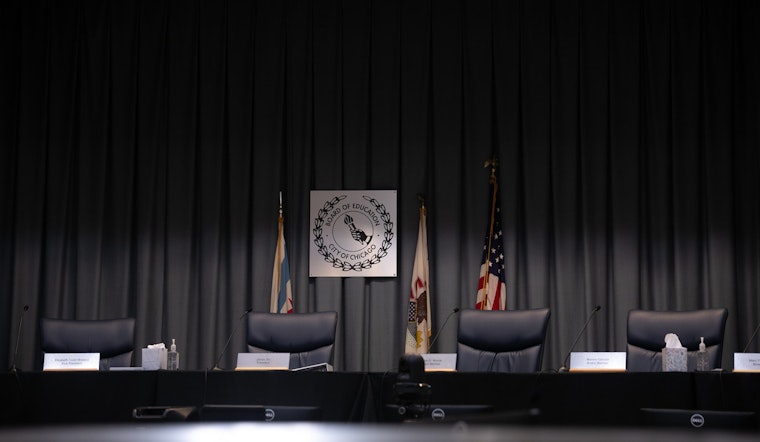
The fiscal landscape for Chicago Public Schools (CPS) seems increasingly precarious as officials work against the clock to address a staggering budget deficit. With a $734 million gap to bridge, decisions carried a weight of austerity that reverberated through the district, leading to the layoff of nearly 1,500 teachers and staff. According to the Chicago Sun-Times, CPS has managed to shave off $165 million through layoffs and operational efficiencies, yet they remain $569 million short of the required balanced budget.
The district's Chief Budget Officer, Mike Sitkowski, stressed the importance of structural changes over temporary fixes, "One-time actions will not help us eat into some of these big figures," as he said in a presentation to board members. Meanwhile, a city grappling with the legacy of decisions and policies past, parents and educators bristle at the immediate human cost. A recent NBC Chicago report details that the sweep of layoffs included 432 teachers, 123 of whom were special education specialists, signaling a disturbing contraction in a district that has previously been buoyed by significant staff increases.
The compensatory measures, as reported by NBC Chicago, include job fairs and "dedicated placement pools" for those displaced, especially in the realms of special education. The increased staffing levels, which peaked post-pandemic to stimulate academic recovery, are now among the challenging line items due to staff costs surging by $826 million over six years. CPS officials and experts have argued that the staffing surge was needed to sustain academic recovery post-pandemic.
Transportation and building maintenance, in addition to classroom staffing, continue to strain the CPS budget. Buildings average 85 years in age, and a recent facility assessment highlighted an urgent need for $14 billion in repairs, $3 billion of which are deemed critical. In 2024 alone, CPS spent $160 million on student transportation, an increase from $120 million, in part due to higher wages offered as incentives for new drivers amid national shortages.
Debt and pension obligations also sap financial resources vital to education. Last year, the district paid a daunting $817 million towards debt service on long-term loans, and in 2025, the city expects CPS to contribute $175 million toward non-teaching staff pensions. A historical inequity leaves CPS covering a greater portion of these costs compared to other districts statewide. The school district does not have any way on its own to raise money to make these repairs, so it borrows money to make fixes, but never enough to make a dent in the long list of what is needed.
As the deficit looms large and solutions threaten the vitality of the workforce, the community watches on with anxiety and the pressing question of whether structural funding changes can emerge swiftly enough to right the district's financial ship—and at what cost to educators and students alike.





