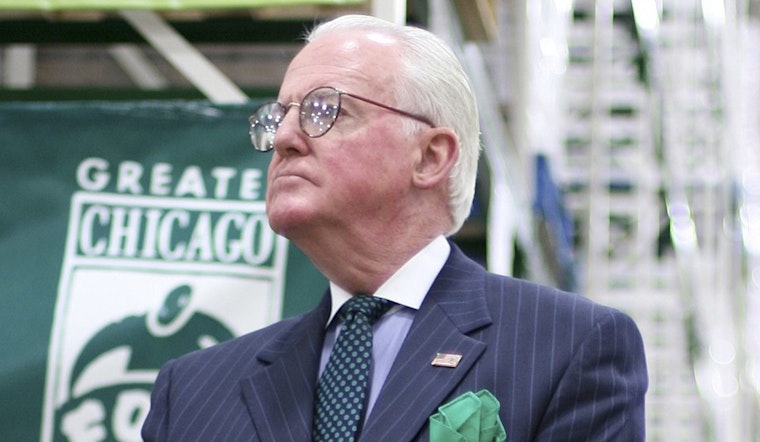
Former Chicago alderman Ed Burke has been released from federal prison, according to reports from WGN News and the Chicago Tribune. After serving less than ten months, Burke was transferred to community confinement from the federal prison in Thomson, Illinois. The Federal Bureau of Prisons released a statement saying, "Burke's projected release date from custody is February 20, 2026." This development marks a significant turn in the case of the long-time city council member who was convicted of using his position to illicitly benefit his private law practice.
In September last year, Burke began his prison sentence following a 2023 conviction on corruption charges. His offenses included attempting to illegally solicit business for his law firm from a Burger King in his ward in exchange for aiding them in obtaining construction permits. The Bureau of Prisons confirmed his early release in a statement obtained by WGN News, partially saying, "Burke was released ... to 'community confinement'."
Simultaneously, ABC7 Chicago's I-Team reported that Burke is expected to report to a halfway house soon. His journey through the legal system has drawn immense attention, considering his over 50 years of service in Chicago's city government, making him one of the most polarizing figures in the city's political landscape. Burke's conviction comprised federal racketeering and bribery charges, unraveling the power-broker image he once held in the city.
While the release to community confinement typically means housing in a halfway house or home confinement, the details of Burke's current arrangements weren't immediately clear. His conviction, stemming from a sweeping investigation into city corruption, illustrated a concerted effort by authorities to address a legacy of political graft in Chicago. "Burke was convicted of federal racketeering and bribery charges," ABC7 Chicago recounted, highlighting the gravity of the crimes that led to his incarceration.
Observers now watch to see how Burke will navigate life post-incarceration, as the reduction in his sentence raises both questions and commentary on the nature of punishment and rehabilitation within the federal justice system. With a release date just under a year away, the conversation around political accountability and the consequences of corruption is likely to continue.