

























































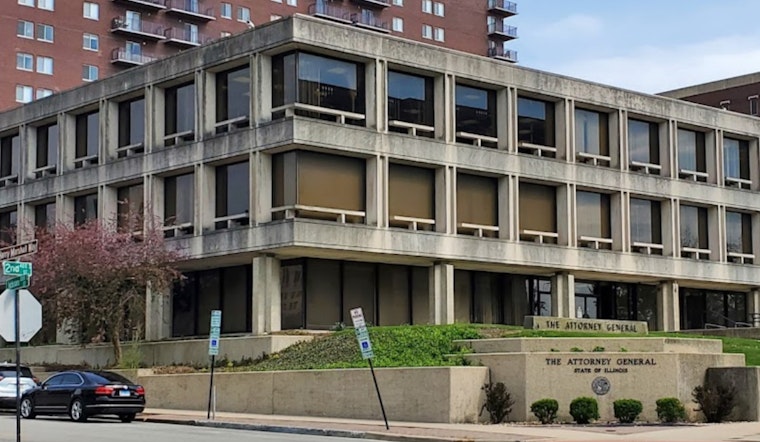
In a significant hit against pharmaceutical malfeasance, Attorney General Kwame Raoul, alongside a coalition of officials stemming from a range of political and geographic landscapes, levied a $202 million agreement against the pharmaceutical giant Gilead Sciences Inc. The settlement followed the company's engagement in a prohibited kickback operation designed to catalyze the prescription of its HIV medications. As detailed by the announcement, these illicit activities led to an influx of fraudulent claims, which siphoned millions from government health care programs.
It was outlined that, between January 2011 and November 2017, Gilead furnished incentives, in the guise of awards, meals, and covered travel, to encourage health care providers to favor their HIV drugs, a move Raoul slammed as an erosion of competition and a burden on taxpayers. Not merely a slap on the wrist, the massive settlement demands recompense, with $49 million earmarked for Medicaid programs across the country, inclusive of more than $925,000 allocated for Illinois. However, the chunk of this restitution will flow to Medicare, Tricare, and the AIDS Drug Assistance Program (ADAP).
Fanning out the wrongdoing, Gilead's mechanisms, those conceived to ensure compliance, conspicuously failed to deter sales representatives from proffering prohibited incentives for prescriptions. During promotional speaking events for drugs like Stribild and Genvoya, Gilead remunerated "HIV Speakers," who were often high-volume prescribers, thousands of dollars for their endorsements, a clear infraction of federal anti-kickback statutes.
As part of the investigatory and negotiating brigade, a National Association of Medicaid Fraud Control Units (NAMFCU) team, including representatives from California, Indiana, New York, North Carolina, and Virginia, played an indispensable role, explained Raoul. And it’s not just Illinois; the settlement mounted a united front, with a consortium of attorneys general from an expansive roll call of states, from Alabama to Wyoming, including the District of Columbia, Puerto Rico, and the U.S. Virgin Islands, throwing their weight behind the cause. Collectively, the message resounded; pharmaceutical frays with legality will encounter a formidable adversary.
An additional note, in 2023, the Illinois Attorney General's office took the helm of the state’s Medicaid Fraud Control Unit (MFCU), the very type of entity that digs deep into complex fraud cases to resurface taxpayer money erroneously drawn from the Medicaid reservoir. In a testimony to this commitment and the financial stakes involved, Raoul's MFCU received 75% of its funding, tallying $11,309,840 for the 2025 fiscal year, from the U.S. Department of Health and Human Services—the stage set for a continued scrabble against healthcare fraud.





