

























































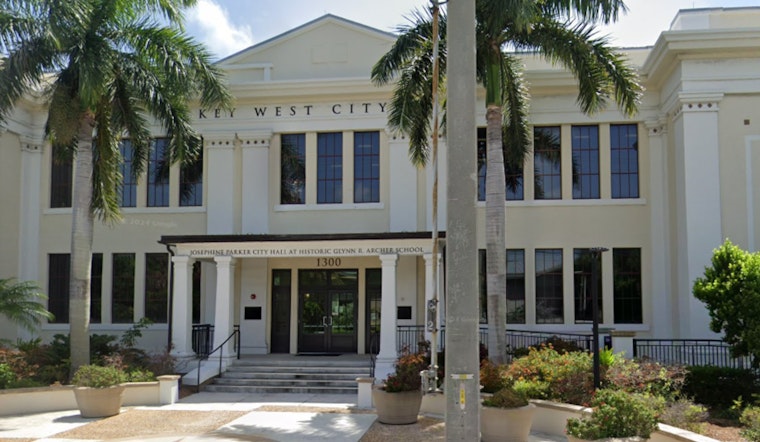
In a bold move diverging from state trends, the Key West City Commission voted 6-1 to terminate its immigration enforcement agreement with U.S. Immigration and Customs Enforcement (ICE). Community members, including local business owners, church leaders, and citizens, brought forth their concerns during a public hearing that spurred the commission into action. The chief of police, who spoke last during the public discourse, contended that the agreement was mandated under Trump-era policies. Still, the commission stood firm in its decision to end the pact, as first reported by WSVN.
The contentious 287(g) agreement, which the Key West police chief initiated withoutthe backing of the commission, enables local law enforcement to act with federal authority in immigration matters. Governors such as Ron DeSantis have been vocal advocates for such agreements, with all sheriff's offices in Florida having signed on. However, the Key West Commission's latest resolution insists upon suspending any new agreements until judicial clarity is provided, as detailed by CBS News Miami. Despite widespread state-level support for collaboration with ICE, Key West has chosen to await court rulings on the imposed obligations local governments face in immigration enforcement.
In a response reflective of potential legal escalations, Florida Attorney General James Uthmeier made a pronouncement via social media. "The City of Key West will be hearing from my office very soon," he stated, a sentiment reflecting the state's opposition to the commission’s unilateral decision, which opposes Governor DeSantis' push for statewide participation in immigration enforcement programs, as reported by CBS News Miami.
The terminated agreement, part of the federal 287(g) program, authorized local law enforcement to question and, if necessary, detain individuals suspected of illegal residency in the U.S. Although this action could lead to increased tension between state and local authorities, Commissioner Samuel Kaufman underscored the commission's intent, telling WSVN, "We should not have fear for political retribution as the basis for us as a city determining policy."





