

























































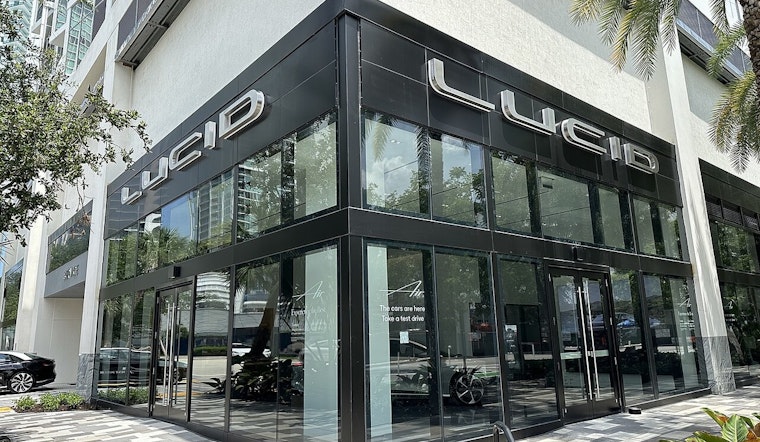
Lucid Group, the California electric vehicle innovator, has put pen to paper with four mineral companies, effectively strengthening its grip on the U.S. battery supply chain. The coalition, officially named the Minerals for National Automotive Competitiveness Collaboration (MINAC), has its sights set firmly on securing a domestic source of battery materials—key to the heart of the American automotive revival.
Announced on Wednesday, the partnership features the likes of Alaska Energy Metals and Canadian ventures Graphite One, Electric Metals, and RecycLiCo. According to a report by ABC15, Marc Winterhoff, Lucid’s interim CEO, said, "Domestic supply chains strengthen manufacturing resilience, fortify sustainable supply chains, and accelerate job growth." These are not just ambitions on a corporate whiteboard; the ensemble’s vision includes setting up streamlined mineral production and sees cooperation for commercialization and consumer adoption as prerequisites for the future of U.S. manufacturing.
ABC15's coverage pointed out that the partners convened in Washington, D.C., on July 23, a gesture underscoring the strategic significance of the collaboration. The roundtable flaunted prominent Arizonian political faces, including Governor Katie Hobbs and representatives across the political spectrum, from Sen. Dan Sullivan to Rep. Andy Biggs.
Onboard this ambitious collaboration are companies carving niches in the critical mineral market: Alaska Energy Metals helms a nickel project in Alaska while Electric Metals USA Limited develops Minnesota's high-grade manganese deposit. Graphite One brings graphite production facilities to the table, expecting operation by 2028. Lastly, RecycLiCo is set on refining mined ore and upcycling lithium-ion battery materials through cutting-edge technology.
These efforts haven't gone unnoticed by the political realm. "Arizona is proud to be home to Lucid's state-of-the-art manufacturing facility," Sen. Mark Kelly expressed in statements posted on Lucid's official investor relations page. Rep. Andy Biggs echoed this sentiment, advocating for industrial sovereignty by heralding the initiative of bolstering the domestic mineral supply chain.
The move by Lucid and its partners is a proactive leap in shaping an automotive ecosystem powered by homegrown materials. Beyond the buzzwords and corporate jargon, it's transparent that both Lucid and its cohort are sprinting towards a collective endgame: a robust, resilient, and wholly American automotive supply chain that champions innovation and secures jobs, an endgame that's now significantly closer to reality than ever before.




