

























































The Metropolitan Council, serving the Minneapolis-St. Paul metro area has infused its Environmental Services division with new personnel dedicated to engaging with Minnesota's 11 federally recognized Tribal Nations. The Council's recent initiative, as reported by Metro Council News, aims to ensure the safeguarding of culturally significant areas, particularly as the region is home to the largest population of Native people in the state. It is a territory woven with the history and cultural sites of the original inhabitants, and thus comes with the weight of stewardship and recognition of these revered landscapes.
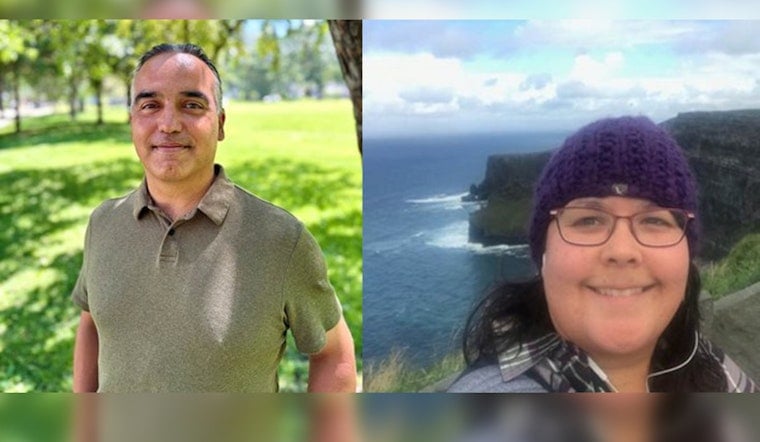
The Met Council's infrastructure projects often overlap with these historic sites. This intertwining of modern utility with ancestral grounds necessitates a respectful approach to environmental management. The addition of John Hunter as Tribal Relations manager and Lindsey Reiners, the senior cultural resources specialist, is meant to fortify the Council's commitment to such respect and adherence to legal requirements. Hunter, with a track record in high-stakes environmental cleanups and community-driven initiatives, is expected to enhance partnership strategies, having already contributed to the Metro Sulfate Study, which integrates tribal input on regional environmental issues.
Hunter, who brings experience from projects ranging from aquifer protection to the development of green energy training programs for Native youth, emphasized the intent behind this collaboration. “We want to be recognized as a trusted partner,” Hunter said, according to Metro Council News. “We have award-winning scientists, engineers, and operations staff in Environmental Services. Our work with Tribal Nations should be held to the same standard of excellence.”
Meanwhile, Reiners plays an instrumental role in ensuring that the areas of cultural importance are not compromised by the Council's construction projects. With her expertise, Reiners is guiding the planning and execution of work that intersects with Dakota lands, among others, signaling an era of mindful progress that honors the past. The efforts of both Hunter and Reiners, alongside Met Council’s Tribal Liaison Allison Waukau, form a multi-faceted approach to engaging with Tribal Nations and safeguarding their heritage and sovereignty.
The alignment of the Met Council's practices with both state and federal laws, as well as their own proclaimed values, heralds a positive step towards bridging the divide between development and preservation. For a region steeped in Native American legacy, this engagement model might very well serve as a framework for others to emulate, wherein progress does not arrive at the expense of cultural erasure but rather in harmony with it.





