

























































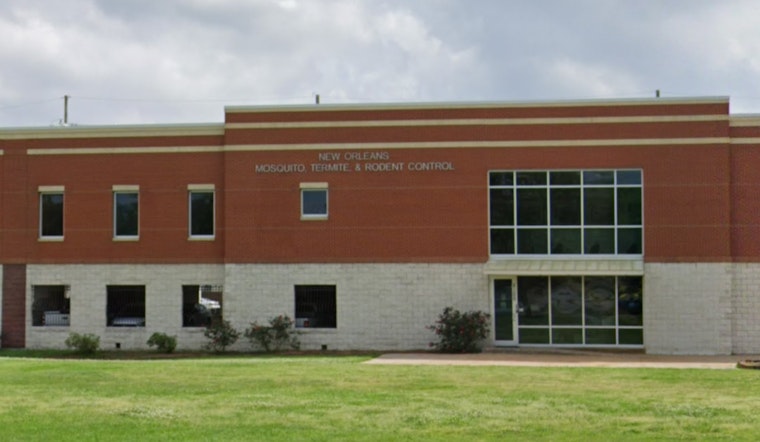
Residents in New Orleans are brushing up on their mosquito defense playbook as the City of New Orleans Mosquito, Termite and Rodent Control Board (NOMTRCB) flagged a notable uptick in West Nile virus (WNV) detected in local mosquito populations. The East Bank and West Bank of Orleans Parish have both yielded mosquito trap captures that tested positive for this virus which, while often asymptomatic in humans, can lead to serious illness.
Such developments instigate proactive evening spray missions targeting the Culex quinquefasciatus mosquito, the primary vector for WNV, ensuring the culling of adult mosquitoes between 8:30 p.m. and 1:00 a.m. in the impacted areas, weather permitting—a step to disrupt the potential spread of the disease, and with the absence of reported human cases in Orleans Parish to date this year, it's a strike designed to keep residents safe and the contagion contained. The affected neighborhoods include Algiers Point, Whitney, Federal City, and several more that share borders with landmarks like the Mississippi River and General De Gaulle Drive, as outlined by the NOMTRCB report.
The reported presence of WNV in mosquitoes is especially pressing as summer temperatures crest and mosquito activity spikes—ill-timed for outdoor gatherings that become enmeshed with the crepuscular rhythms of these disease-carrying insects. Despite the commonality of WNV in the region during this season, this year's consecutive detections of infected mosquitoes across expanding regions are raising antennae within the NOMTRCB.
Acting on the advisories, NOMTRCB urges the community to embrace preventative measures: EPA-registered repellents, reduced dusk-to-dawn exposure, and the circulation of air by air conditioning or fans whilst outdoors, are but a few of the layers of defense against bites, also inclusive are the mindful maintenance around one's domicile by eliminating standing, stagnant water to curb the proliferation of these winged nuisances laying their eggs by the homefront, this deportment should include upturning outdoor containers weekly, cleaning bird baths, and ensuring proper window and door screening as further described in the official suggestions.
With the knowledge of increased risk factors for individuals over 60 and those immunocompromised, or with certain pre-existing health conditions, vigilance and community cooperation become integral to not only personal well-being but public health.



