

























































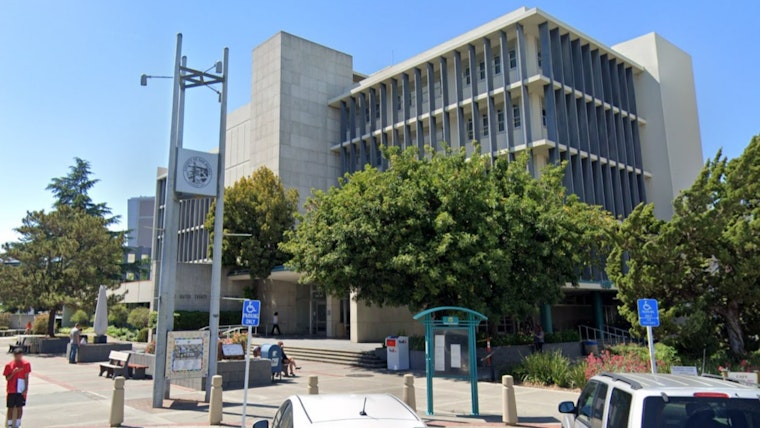
San Mateo County's Correctional Health Services will see a budget relief with an annual savings of around $2 million on inmate healthcare costs, thanks to California's innovative healthcare reform, CalAIM. This initiative, which stands for California Advancing and Innovating Medi-Cal, kicked off by the California Department of Health Care Services in 2022, is specifically designed to enhance healthcare access for those covered under Medi-Cal, and by extension, ease the financial load off local governments that take on the brunt of medical expenses in jails.
Nearly half of the county's inmates are Medi-Cal eligible and can hence benefit from CalAIM reimbursements. Without CalAIM, the county used to shoulder the hefty full price tag on healthcare costs, with limited financial recourse through the Medi-Cal Inmate Eligibility Program, when hospitalizations exceeded 24 hours. According to an announcement from San Mateo County, the new state-funded initiative promises to bolster the county's ability to claim back cash on healthcare expenses, potentially dialing down the average formidable costs of $1,100 per patient plus $500 to $900 on medications alone.
"The CalAIM initiative is a significant step toward ensuring that incarcerated individuals receive the medical care they need while also reducing the financial burden on local governments," Michael del Rosario, director of Correctional Health Services, revealed, per San Mateo County's website. By pivoting to this reimbursement model, San Mateo foresees funneling the realized savings into beefing up staffing and enhancing services, therefore upgrading the overall quality and continuity of care for inmate patients.
Linked with this initiative is the Justice-Involved Reentry Initiative, which opens the door for access to continuous medical and behavioral health services for Medi-Cal eligible adults during the crucial 90-day stretch before they reenter society. This program is critical to ensuring that, upon release, inmates are better positioned to connect with essential recovery resources at a time when they are highly susceptible to relapse, recidivism, and emergency room visits. Status reports have showcased the success of the county's BHRS Integrated Medical Assisted Treatment team in engaging with individuals post-incarceration to aid them in substance use recovery.



