

























































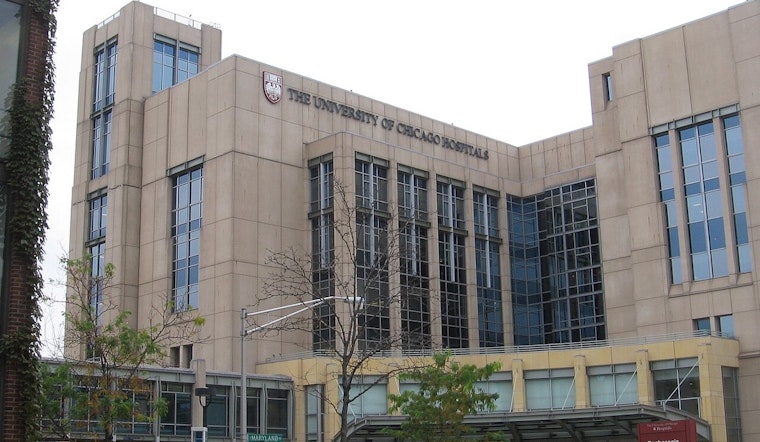
UChicago Medicine has announced an abrupt halt in providing gender-affirming care to minors, joining a number of Chicago hospitals in a similar move. The decision, described by the health system as "difficult," was made public in a statement to the Sun-Times, citing the need to continue supporting the broad spectrum of Medicare and Medicaid patients they serve. UChicago Medicine is dealing with the shift by crafting plans for their affected patients, though details on these plans have not been released.
Rush University Medical Center also "paused" hormonal care for new minors just days prior. According to Sun-Times reporting, this halt follows after discontinuing gender-affirming surgeries since 2023, but Rush maintains such services for current minor patients and adults, alongside mental and social support. This series of events seems to be quickly unrolling following the executive order by President Trump, aiming to cut funds from hospitals that provide gender-affirming treatments to under-19s.
The legal backdrop adds further complexity, with Illinois Attorney General Kwame Raoul and other state attorneys general committing to defend access to gender-affirming care earlier this year, despite the U.S. Supreme Court's upholding of a Tennessee ban on such care for minors. Further complicating matters, the U.S. Department of Justice has issued subpoenas linked to medical procedures for transgender minors, going against the American Medical Association and the American Academy of Pediatrics, both of which support access to this care.
Adding to the climate of uncertainty, Lurie Children's Hospital has paused all gender care surgeries for those under 19 years. The hospital relayed, in a statement obtained by ABC 7 Chicago, its intent to "continue to advocate for access to medically necessary care, grounded in science and compassion." Their decision to temporarily stop these surgeries is to calmly reassess the implications of the executive orders. Meanwhile, the Trump administration's language in the order, branding treatments as 'mutilation,' starkly contrasts with the mainstream medical understanding of transgender healthcare.
The series of decisions by these hospitals arrives amidst a heated national dialogue on transgender youth care, despite evidence suggesting that such care is rare and associated with positive psychological outcomes. Both medical professionals and advocates await to see how this evolving situation will reconcile with the rights and needs of transgender minors seeking gender-affirming treatments.





