

























































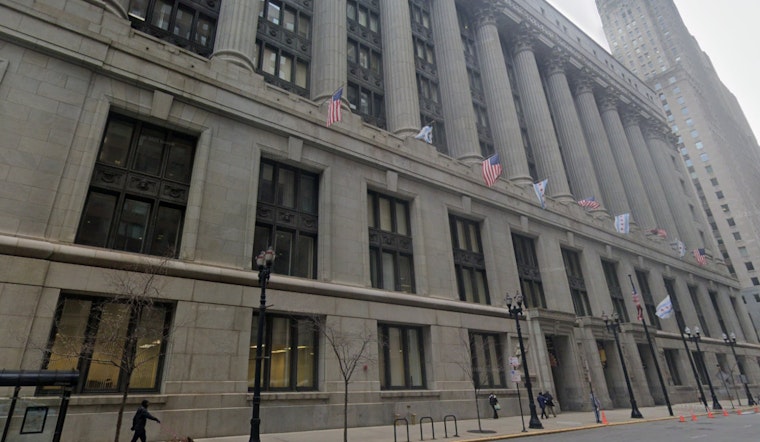
In a legal struggle that could alter the visibility of police misconduct hearings, Chicago awaits an appellate court decision that could allow serious cases to be adjudicated privately. This legal battle, simmering for years between Chicago's city officials and the police union, hinges on the outcomes of this week's anticipated ruling. According to the WGN-TV report, the city emphasizes the significance of public hearings for maintaining the legitimacy of the disciplinary process, while the union asserts its collective bargaining rights for private arbitrations.
The discord stems from a March ruling by a Cook County judge, who decided that while officers could opt for arbitration over the public police board, their hearings must remain open. The Chicago Sun-Times detailed that, to date, many of the 23 officers with pending charges—covering a gamut of accusations, including the high-profile shooting of Adam Toledo by Officer Eric Stillman—have chosen arbitration purportedly due to its historical leniency towards police. As outlined by the City Council President, Kyle Cooper, the police board has reviewed 45 cases since 2021, with 35% resulting in termination and another 35% in lesser disciplines.
The stakes of this legal confrontation cannot be downplayed, as the outcomes shape the public's accessibility to disciplinary actions in cases of profound concern. If the appellate court rules in favor of secrecy, the only document shedding light on these cases will be the final written ruling, mirroring the process for lesser misconduct cases. According to Chicago Sun-Times coverage, lawyers for the city have argued vehemently that these proceedings must be open to bolster the perception and reality of police department legitimacy.
It's a pivotal moment, with broader implications for the city's efforts to adhere to federal directives demanding greater police transparency. The 2024 ruling by Judge Mullen addressed both public access to hearings and the contentious issue of whether accused officers should continue drawing salaries pending their cases. Reflecting widespread concern, both parties are prepared to escalate the conflict to the state Supreme Court, regardless of the impending decision. While the union fights to maintain the status quo, city lawyers contest, deeming it a misuse of public funds to pay officers who may not be performing their duties, a fact reported by the Sun-Times.
As the city braces for the appellate court's ruling, many eyes will remain fixed on this case, which could redefine the transparency measures held sacrosanct by advocates for police accountability. The final decision, whether in favor of the union or the city, will indubitably leave a mark on the landscape of police governance and civilian oversight.





