

























































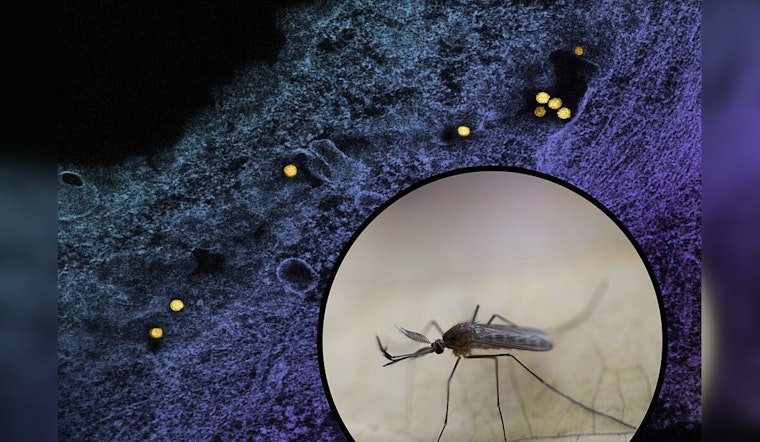
West Nile virus is asserting its presence in Chicago, with health officials reporting the city's first three human cases of 2025, and the state's first cropping up earlier this summer in late June—the earliest Illinois has seen since 2016, as reported by NBC Chicago. The afflicted individuals, ranging from 40 to 80 years of age, started exhibiting symptoms between late July and early August, and though most infected by the virus exhibit no symptoms, a small percentage can experience severe illness, notably those over 55 or with weakened immune systems.
Amidst heightened concern, the Chicago Department of Public Health (CDPH) announced spraying efforts to target mosquito populations in the Forest Glen, Norwood Park, Mount Greenwood, Beverly, East Garfield Park, Near West Side, and North Lawndale neighborhoods, according to NBC Chicago. Simultaneously, in a statement obtained by CBS News Chicago, CDPH Commissioner Dr. Olusimbo "Simbo" Ige remarked that "The best way to protect yourself from West Nile virus is to avoid mosquito bites and take measures to stop them from breeding around your home," reinforcing the message that prevention is critical, especially in light of the high number of mosquitoes testing positive this year.
In an effort to inform the public on the risks and preventative measures, both NBC Chicago and CBS News Chicago note that the West Nile virus typically spreads through the bite of an infected mosquito, with health officials urging residents to wear long-sleeved shirts, pants during peak mosquito hours and to use EPA-registered insect repellent. Residents are also encouraged to keep grass and weeds short, eliminate standing water where mosquitoes may breed, and ensure window and door screens are intact to prevent indoor entry of the pests.
Despite the alarming news of increased West Nile virus activity this season, both outlets highlighted that most people will not feel sick after being bitten by a mosquito. As a reassurance, "Patients with mild symptoms are likely to recover completely and do not require any specific medication or laboratory testing," according to guidance from the Illinois Department of Public Health featured in the story by NBC Chicago; however, for those who do develop symptoms, which can range from mild fever and aches to more severe conditions like encephalitis or meningitis, medical attention is recommended.




