

























































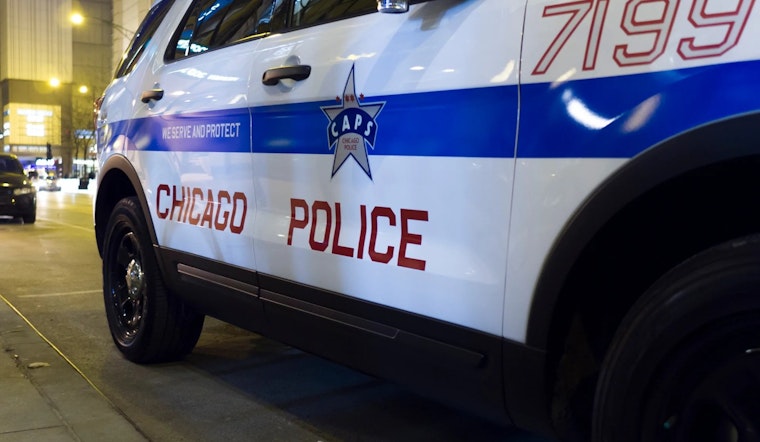
In a recent decision, an Illinois appellate court has upheld the necessity for public hearings in cases of serious misconduct involving Chicago police officers, a ruling that bolsters the push for transparency within the city's law enforcement, according to the Chicago Sun-Times. The Cook County judges' panel reinforced a lower court's determination that private arbitration cannot substitute the Chicago Police Board hearings in these grave disciplinary matters this maintaining the city's long-standing stance on police accountability.
The appellate judges ruled against the practice of concealing these hearings from the public eye, their rationale being that law enforcement officers should not shroud their wrongdoings in secrecy, and the court carries the mantle to safeguard public interest it was detailed in the ABC7 report. However, despite this victory for transparency, the court delivered a mixed verdict by also dictating that officers in question should stay on the city's payroll while awaiting the resolution of their disciplinary cases, which could be seen as a nod to the Chicago police union's stance.
The appellate court's decision elicited reactions from multiple fronts, with Kyle Cooper, president of the Chicago Police Board, lauding the decision as "a victory for both the residents of Chicago and the hardworking men and women of the Chicago Police Department," a statement obtained by the Chicago Sun-Times. Conversely, union lawyer Tim Grace expressed disappointment, indicating plans to challenge the decision before the Illinois Supreme Court.
Amidst the ongoing dialogue over police accountability, the Fraternal Order of Police contends that the appellate court's decision sets the Chicago police apart, forcing them into the limelight of public scrutiny when faced with termination proceedings which is unprecedented compared to other unions, as expressed by attorney Tim Grace in a comment to the Chicago Sun-Times; he claimed "The Chicago police will be the only union that will be required to have termination hearings in public,". This stance by the union appears to be at odds with the perspectives expressed by Alexandra Block, an attorney with ACLU Illinois, who told the Chicago Sun-Times that the ruling vindicated those advocating for open hearings and addressed the CPD's need to rebuild trust with the community.
This ruling arrives amidst a labyrinthine legal fight over the handling of police misconduct cases in Chicago, which has been punctuated with contending motions and appeals and is further complicated by the tactical maneuvers of 19 of the 23 officers with pending charges opting for arbitration, which casts a shadow over the efficacy of the police board and threatens the processes designed for accountability, while Craig Futterman, a University of Chicago law professor, sharply criticized the union's attempts to evade public scrutiny to the Chicago Sun-Times, arguing that without transparency, officers could continue to act with impunity.




