

























































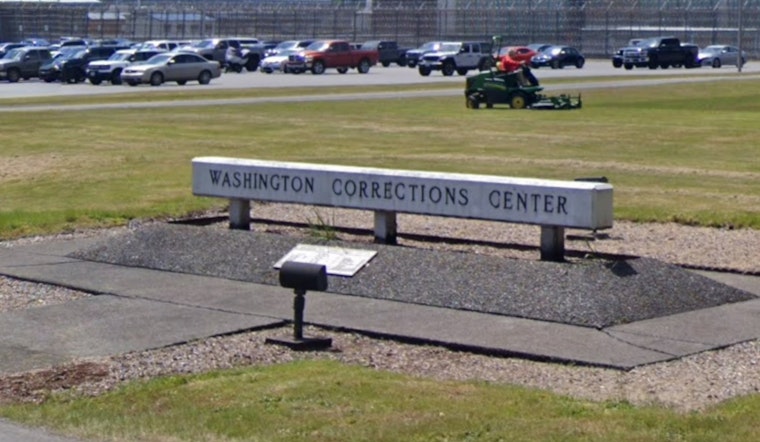
As society grapples with the concept of rehabilitation and re-entry into the public sphere, a group of incarcerated individuals at the Washington Correction Center in Shelton are forging a new path for themselves. In a pilot program pioneered by the Washington Secretary of State's Civic Engagement Program (CEP), these individuals have completed a civics course designed to prepare them to actively participate in community life post-release. As reported by the Office of the Secretary of State, the first cohort celebrated their graduation this past Wednesday.
The Institutional Civics Academy program has equipped the participants with a substantial understanding of government operations within various pivotal sectors, including housing and public safety, which, having been taught in the confines of penitentiary walls, aims to enrich their future as they prepare to remake their mark on society. Reflecting on the essence of the program, Washington Secretary of State Steve Hobbs said, "Civics education is a cornerstone of a healthy democracy, and it should not stop at the prison gate," pointing to the underlying ambitions of the program to foster an informed and engaged citizenry.
The curriculum parallels that of a high school social studies class in Washington state, providing these individuals not just with a diploma, but with the cognitive tools to be constructive community members. "The Civics Academy is about more than understanding how government works, it’s about seeing yourself as part of it," explained David Lund, CEP criminal justice specialist and Washington Jail Modernization Task Force member, in a perspective that aligns with the vision of inducing change from within.
During their commencement, graduate Charles Longshore openly addressed the collective capacity for transformation, highlighting a poignant belief in rehabilitation. "People have the capacity to change and that rehabilitation is real and possible," he asserted, seeking to convey a new narrative of second chances. Another graduate, Aaron Olson, echoed this sentiment, emphasizing the bond between knowledge of one’s community and the impulse to nurture rather than harm it.
The CEP, well-established in its role to stir civic engagement, reaches out extensively to disenfranchised and underserved communities. With partnerships across 76 organizations, from libraries to local governments, the program is a testament to the power of active participation in building a vibrant civic culture. The Civics Academy stands as one pioneering endeavor among many, representing a leap towards inclusive democracy for those once at its margins.




