

























































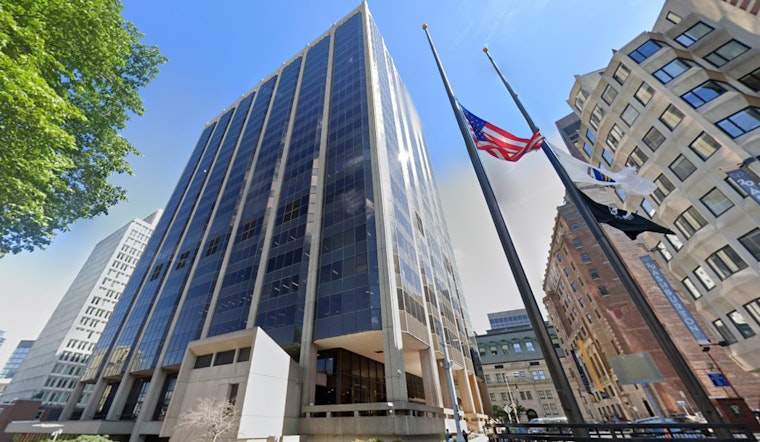
The rush to beat the 5 p.m. deadline yesterday was palpable as 19 activist groups submitted a total of 47 initiative petitions to the Office of Attorney General (AGO) Maura Campbell. This varied list, which comprises 42 proposed laws and 5 potential constitutional amendments, now awaits review against the Massachusetts constitution's stringent criteria before possibly advancing to the hands of voters in the 2026 and 2028 ballots. The AGO has made these petitions publicly accessible on their website.
The next steps were outlined by the AGO, with the certification decisions expected to drop on September 3. This critical review phase is, by constitutional mandate, unbiased by the policy views of the Attorney General or her staff. Public opinion counts here, though, and the AGO is asking for feedback on the petitions through email at [email protected]. For the initiatives proposing new laws, certified petitions require the backing of 74,574 registered voters by December 3 to reach the state Legislature. Should the Legislature give them a pass, an additional 12,429 signatures are needed by July 1, 2026, ensuring their appearance on the November ballot.
The five constitutional amendments in the mix play by a different set of rules, needing at least 25 percent approval in two consecutive joint sessions of the Legislature, meaning they won't be seen on ballots before November 2028. And the rules are particular: Propositions must be in the right format for voters, not tread similar grounds covered in the previous two elections, and stick to related or mutually dependent topics. They must also sidestep areas like religion, judiciary powers, or specific state appropriations that are beyond the reach of ballot initiatives as outlined by Amendment Article 48.
These benchmarks function as procedural guidelines, maintaining the structure of the direct democracy process in Massachusetts. A petition that does not initially succeed may still be subject to review if voters request the Supreme Judicial Court to examine and possibly overturn a negative certification decision. The process in Massachusetts continues through established legal and legislative channels, where each signature and legislative discussion contributes to shaping state laws.





