

























































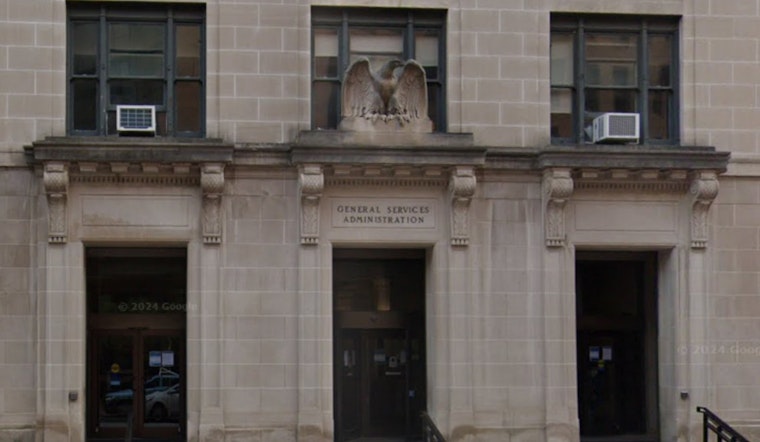
In a move to defend the integrity of the nation’s cultural heritage amid administrative tumult, Congresswoman Dina Titus of Nevada's 1st district, in collaboration with Congresswoman Chellie Pingree of Maine, has presented the Fine Arts Protection Act. Both legislators, being members of the Congressional Arts Caucus, have voiced concerns over the Trump administration's handling of federal art collections. The proposed legislation seeks to commandeer the U.S. Government Accountability Office (GAO) to scrutinize the General Services Administration (GSA)’s Fine Arts collection, evaluate its worth, and decide if GSA remains the proper custodian for this artistic trove, as per the Congresswoman's Office.
Rep. Titus didn't mince words in her accusation, suggesting Trump’s policies have undercut the preservation of national artwork, which she sees as key to narrating the diverse American tapestry. "Trump’s decimation of the Fine Arts Program at GSA threatens the preservation of national artwork reflecting our rich, diverse culture and history," Titus stated. She pressed the urgency of maintaining accountability among federal agencies, ensuring open public access to the over 26,000 artworks that are showcased in federal buildings and museums across the United States, according to the same press release.
Adding to the urgency of the issue, Rep. Pingree voiced her concern over the extensive staff reductions within the GSA’s Fine Arts Program. She highlighted that such actions put various forms of public art, ranging from New Deal-era murals to contemporary pieces, at risk of being neglected or lost. “The Trump Administration’s mass layoffs at the GSA’s Fine Arts Program have put the future of more than 26,000 works of public art in jeopardy — from New Deal murals to modern masterpieces that tell the story of our nation’s history and values. Gutting the very staff responsible for preserving and inspecting these works leaves priceless cultural treasures at risk of neglect, damage, or even disappearance,” Pingree expressed. She anchored her viewpoint in the public's right to be informed about the art their taxes have subsidized, and the expectation that this cultural inheritance would be vigilantly safeguarded, as noted by the Congresswoman's Office.
Through the Fine Arts Protection Act, Titus and Pingree seek not only to protect the artwork itself but to uphold the public’s right to access these pieces, which they consider pivotal in understanding the common history and societal principles of the United States.



