

























































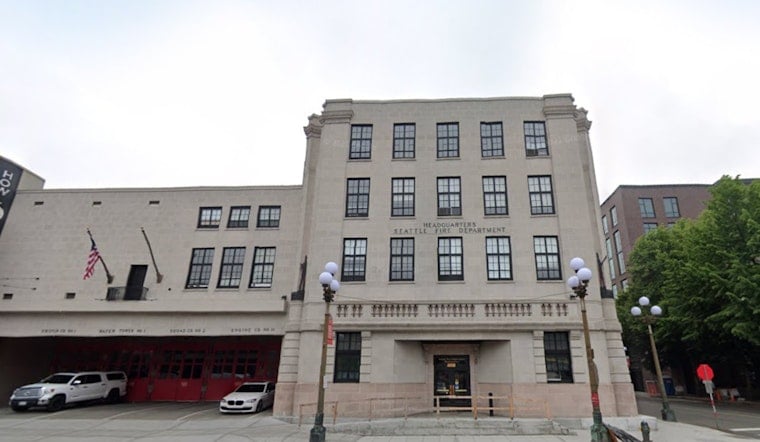
In a substantial move by the Seattle Fire Department (SFD), firefighter/EMTs have administered buprenorphine during field operations for the 100th time since the initiation of their Buprenorphine Pilot Program, marking an innovative step in the city's response to the opioid crisis. Mayor Bruce Harrell highlighted the achievement, noting Seattle's leading role in implementing groundbreaking health measures. "It’s an honor to celebrate the 100th administration of this evidence-based program that increases the chances that people recovering from an overdose or suffering withdrawal will say 'yes' to treatment and care," Harrell stated.
The initiative, part of a directive to counteract the effects of fentanyl on the public's health and safety, aims to stabilize patients immediately following an opioid overdose or during acute withdrawal states. Statistics from the King County Medical Examiner's Office indicate a decrease in Seattle's overdose deaths by 20% since 2024, and a 36% reduction compared to 2023. Fire Chief Harold Scoggins underscored the department's commitment to patient care, "Through the expansion of allowing our firefighter/EMTs to administer buprenorphine, we continue to strive to fulfill our mission of saving lives by meeting patients where they are at in life," Scoggins told Fireline Seattle.
The city's strategy to address opioid misuse extends beyond immediate interventions; it also encompasses pathways to long-term recovery. Specifically, a new partnership with DESC will see the opening of the Opioid Recovery & Care Access (ORCA) Center, providing around-the-clock post-overdose stabilization. DESC Executive Director Daniel Malone lauded the SFD's efforts, saying, "We congratulate the Seattle Fire Department on this groundbreaking achievement and their continuous innovation in addressing the overdose crisis, including bringing buprenorphine directly to patients in the field." The center is backed by a notable $3.37 million investment from the city, funneling resources towards the continuity of care for individuals who overdose.
On-the-ground experiences narrate the effectiveness of this form of outreach. Health 99, a post-overdose response team, has been pivotal in serving the community, having addressed over 1,376 overdoses since last year. The program solidifies the belief that timely administration of medications like buprenorphine can open the door to meaningful discussions on recovery and subsequent follow-up treatments. Jon Ehrenfeld, SFD Mobile Integrated Health Program Manager, emphasized the impact, "This medication relieves withdrawal symptoms, protects against overdose and provides an unparalleled opportunity for our clients to begin the process of recovery," explained Ehrenfeld according to a statement obtained from Fireline Seattle.
With the evident success of the Buprenorphine Pilot Program, Seattle sets an example for other cities grappling with the opioid epidemic. The city's integrated approach in combining advanced medical interventions with supportive aftercare resonates as a holistic model worth replicating. As Health One and Health 99 team members continue to combine their professional acumen with compassion, the greater Seattle area witnesses tangible strides toward healing and hope. These personal testimonials from field engagements, collected and shared by the fire department, tell of the personal victories afforded by this program, allowing those in the grip of addiction a chance at reconciliation with a life free from opioids.





