

























































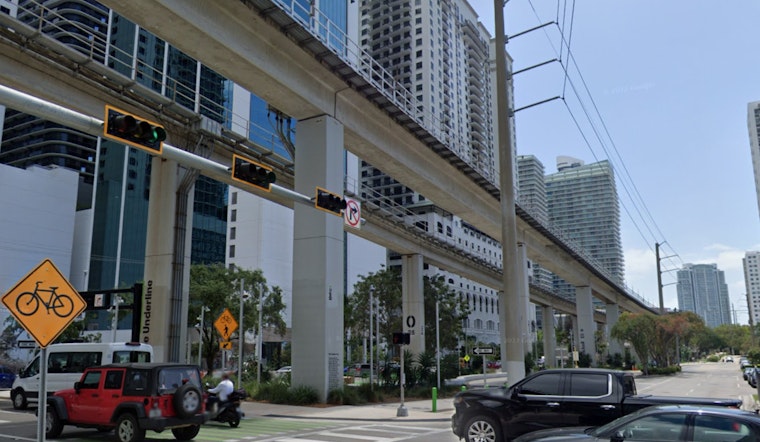
The Trump administration has rescinded a $60 million federal award for the long‑planned park beneath the new I‑395 “Signature Bridge” in Overtown, a decision that jolts a project city leaders hailed as a step toward repairing decades of highway‑driven damage to the historic Black neighborhood.
What was pulled and where the money was supposed to go
The funding — part of a federal discretionary program intended to reconnect neighborhoods cut off by past highway projects — had been earmarked for the 33‑acre linear park under I‑395 (formerly called the Underdeck and recently renamed the Reverend Edward T. Graham Heritage Trail). According to local reporting, city officials were notified this week that the award is no longer available. WSVN reported the notice on Aug. 9, 2025.
Background: how the project was funded and what it promised
The $60 million had been awarded in 2024 through a DOT reconnecting‑communities program and was the largest federal discretionary grant the City of Miami had claimed for the Underdeck effort. City leaders and designers envisioned a mile‑long greenway linking Gibson Park in Overtown to the cultural district near Biscayne Bay, with walking and biking paths, plazas, play areas and a signature pedestrian bridge. That earlier award and the project scope were documented in Miami Herald coverage of the original grant announcement. Miami Herald.
Local money was already being lined up
Miami officials had been moving local matching commitments into place: commissioners approved city and community‑redevelopment allocations that city documents described as the final steps to unlock the federal award and advance design and construction. Those local funding votes were reported earlier this summer as the city prepared to enter formal agreements with the Florida Department of Transportation. Miami Today reviewed the approvals.
Where this fits in a national pattern of rescinded grants
The Overtown pullback isn’t an isolated case. Since the passage of sweeping federal legislation this summer, some discretionary programs and unobligated awards tied to the Inflation Reduction Act and other initiatives have been rescinded or restructured, prompting several cities to lose previously announced grants. Coverage of similar cuts — including a large rescission affecting an Austin I‑35 cap project — helps explain the policy context in which the DOT action arrived. Austin American‑Statesman.
Why the feds say they rescinded the funds
Federal agencies point to recent legislative changes that rescinded some unobligated funds and revised program priorities; the Reconnecting Communities program and related discretionary awards have been affected by the shifting federal budget and new law. The DOT’s program page explains the purpose of those reconnecting grants and the mechanics of awards, while congressional summaries of the new legislation document the rescissions that have removed unspent allocations. U.S. Department of Transportation and Congress.gov provide the policy and statutory backdrop.
Overtown leaders and residents respond
Local elected officials and community advocates described the news as discouraging but said it does not automatically doom the project. City commissioners previously framed the Underdeck as a reconciliatory public space to knit back together neighborhoods cleaved by mid‑century highway construction; advocates say losing federal backing only raises the stakes for local commitments and private fundraising. Earlier reporting captured those hopes when the grant was first announced. Hoodline covered the original award and community reaction.
What comes next
City officials now face a choice of paths: scramble to replace the federal share with local, state or philanthropic dollars; proceed in smaller, phased segments; or pause until broader funding avenues reopen. The legal and practical questions — including whether affected municipalities can seek agency debriefs or administrative remedies — depend in part on whether funds had already been formally obligated and on the specific language of the award notice. Legal analysts and municipal chiefs are watching how other cities respond to comparable cuts as models. Congress.gov and reporting on other rescissions offer precedent and detail.
Why this matters locally
The Underdeck was about more than lawns and bike lanes; it was framed as repair work — a tangible attempt to reverse decades of harm inflicted on Overtown by highway planning. Losing the federal piece raises familiar questions about who benefits from downtown development and whether longtime residents will see the investments meant to reconnect them. Local coverage and reporting on housing and redevelopment in Overtown document those tensions and the broader transformation underway. WLRN has tracked the neighborhood conversation.
For now, the strip of concrete and columns beneath the new Signature Bridge — the stretch between Gibson Park in Overtown and the cultural district around the Pérez Art Museum — sits in limbo at a moment when local leaders had been stepping up their commitments to finish the design and start construction. City staff and commissioners say they will explore alternatives and report back to the public as next steps are defined.
Reporting note: Initial reporting on the rescission appeared Aug. 9, 2025; the story above synthesizes local reporting, federal program descriptions, and recent national coverage of similar funding rescissions to provide context for Miami readers.


