

























































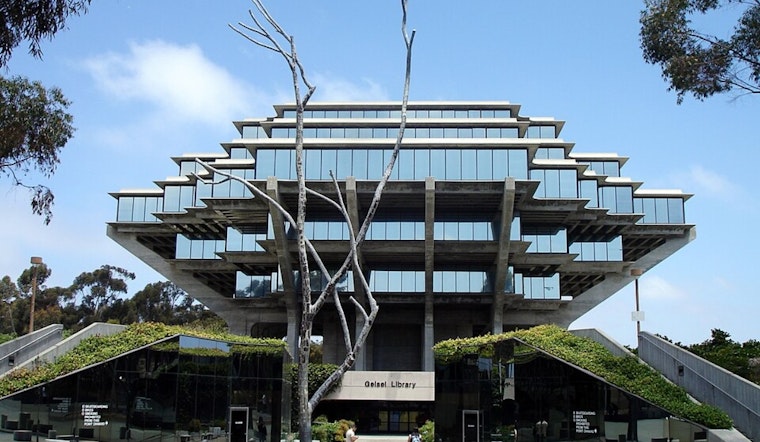
The University of California San Diego Library is once again acting as a custodian of cultural heritage, this time with a grant that's music to the ears of those who value the preservation of Oceania's histories. According to UC San Diego's announcement, the Library has snagged a $48,815 grant from the Council on Library and Information Resources to save and share a trove of audiovisual goods from the Tuzin Archive for Melanesian Anthropology; the funding will revitalize 727 recordings spanning Papua New Guinea to Vanuatu, bringing them into the digital age for public consumption and scholarly scrutiny.
UCSD isn't new to this preservation rodeo, it follows up on a 2019 CLIR-funded initiative that already digitized over 800 recordings, and now they're tackling another batch that includes interviews, linguistic data, traditional songs, and performances—some captured in the challenging terrains and remote settings of the southwest Pacific islands, dating back as far as 1960. Lynda Claassen, director of Special Collections & Archives at UC San Diego, highlighted that "These recordings capture the rich cultural heritage, languages, and daily life of Papua New Guinea, the Solomon Islands, and Vanuatu," ensuring that these narratives and tunes aren't lost to time's relentless march. The resulting digital collection will be housed online, with sensitive material available on a research-request basis, which might be a boon for Pacific Studies scholars or anyone with the desire to dial into the area's expansive linguistic diversity and cultural vibrancy, all without fighting the humidity or swatting away mosquitoes.
What's out there in this newly unshackled collection? Well, think field interviews with a backdrop of buzzing jungle noise, songs that narrate history, ceremonies that entertain and connect communities, and that's just scratching the surface, the crunchy audio-recording surface of decades past. Cristela Garcia-Spitz, the curator for the Tuzin Archive for Melanesian Anthropology, told UC San Diego that “Many of these recordings have never been heard outside their original contexts,” which translates into a virtual treasure trove for those enthralled by the sociocultural landscapes of Oceania, offering a deeper dive into the lived experiences of our Pacific neighbors.





