

























































In Utah, the efforts to bolster mule deer populations through habitat restoration are paying off, with the Utah Division of Wildlife Resources (DWR) completing a staggering 115 projects in the fiscal year 2024. With a decline in deer numbers a continuing concern, the DWR's initiative is a calculated response to ensure the state's wildlife thrives.
These projects, with a combined price tag of $38 million and covering over 133,000 acres, were not a small undertaking. With funding channeled through Utah's Watershed Restoration Initiative and coordinated by the DWR Habitat Council, the focus has been unambiguously clear: improve habitats specifically for deer and other wildlife. According to the Utah Division of Wildlife Resources, this will promote younger, more nutritious plant communities vital for deer populations, an issue Daniel Eddington, Habitat Conservation Coordinator, emphasized when he noted the importance of reverting to shrub-dominated ecosystems.
The DWR didn't stop at land management. Expanding their outreach, they introduced an online mule deer dashboard. This tool clusters every deer-related nugget of data one might need, from migration research to unit management plans, into a single, user-friendly portal. "This new resource is a one-stop shop for information about Utah's mule deer," Dax Mangus, the DWR Big Game Coordinator, told Utah Division of Wildlife Resources.
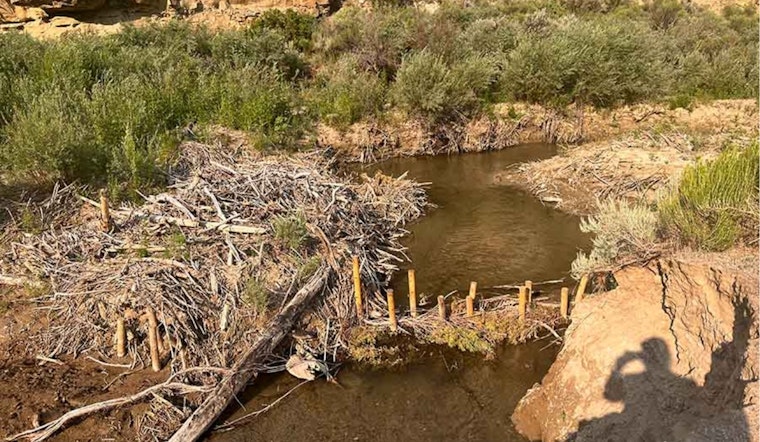
Among the completion of these habitat projects were targeted interventions. The Willow Watershed's streambed saw significant improvement by removing trees and planting beneficial species, which, in the Book Cliffs area choking out lesser plants, had been essential. Other efforts, like the 10 miles of wildlife exclusion fencing installed by the Utah Department of Transportation, are expected to reduce the all-too-frequent deer-collision incidents on highways, spotlighting the multifaceted approach towards conservation.





