

























































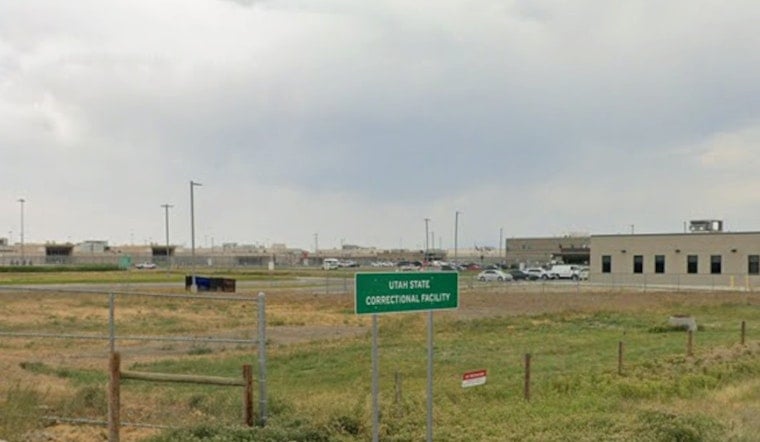
A Salt Lake City man already familiar with the inside of a Utah prison cell is headed back there after investigators say he tried to drone-drop drugs onto the grounds of the Utah State Correctional Facility. Alfred Folau and an alleged accomplice, Joshua Baer, now face charges of distribution of a controlled substance and criminal conspiracy after a drone carrying what investigators describe as an item consistent with contraband lost connectivity near the prison in February. Investigators say they later discovered more than 150 packages of Suboxone connected to the alleged scheme, and Folau has been arrested and is now being held at the very facility he's accused of targeting.
According to FOX 13 News, newly unsealed search warrants show Folau arrived just south of the Utah State Correctional Facility in Salt Lake City on Feb. 4 and removed a drone from his vehicle after it lost connectivity near the prison. Investigators say the drone had disappeared near the facility's grounds, and a subsequent search of Folau's property turned up drone-related material, including an owner's manual for a GPS-enabled drone.
Coded Calls and a Return Trip for the Drone
Warrants unsealed Wednesday indicate Folau and Baer coordinated the alleged drop through phone calls using coded language, discussing the best time to return and retrieve the drone and allegedly referencing narcotics still in Folau's possession. Investigators say Folau's electronic devices placed him near the prison at the time of the incident. Search warrants for Folau's home, truck and phone followed a tip investigators had received about the alleged scheme.
Investigators say the pair had worked on a similar drone scheme before, pointing to the same unsealed warrants that describe a comparable setup in 2022. Folau had researched drones capable of long-distance flights and payload delivery designed to avoid detection, the warrants indicate. He was released from prison in late 2023 — about a month before that December, according to the warrants — after serving time for prior drug-related crimes, and he was on parole at the time of the alleged February incident.
Why Suboxone Is Prison's Most Wanted Contraband
The drug at the center of the case has become the most frequently seized narcotic behind bars nationwide. A study by the United States Sentencing Commission found the buprenorphine-based medication was involved in nearly 48% of federal drug contraband cases from fiscal years 2019 to 2023. Its paper-thin filmstrip format makes it easy to smuggle in bulk, and a 2026 academic review cited by the National Institutes of Health found non-prescribed Suboxone strips can fetch roughly 10 times their street value once they're inside prison walls.
That demand runs especially deep in Utah's system. Between 80% and 90% of people incarcerated in Utah prisons struggle with substance use disorders, a rate correctional officials say contributes to the state's 46% recidivism rate, per Deseret News. The Utah State Correctional Facility itself, a $1 billion complex five miles west of Salt Lake City International Airport, opened in July 2022 to replace the state's 70-year-old Draper prison, according to the Utah Department of Corrections.
Felony Exposure Under Utah's Tightened Drone Law
Folau and Baer's alleged drone drop falls squarely under Utah Code § 72-10-903, which makes it a third-degree felony — punishable by up to five years in prison — to use a drone to carry or drop contraband onto correctional facility property, according to the Unmanned Safety Institute. Utah lawmakers expanded those penalties this year through Senate Bill 93, which Stone River Law reports broadened felony liability for unauthorized drone activity near detention centers. Hoodline previously covered the bill's passage earlier this year.
Federal law adds another layer of exposure. Introducing contraband into a correctional facility via drone can trigger an additional five-year sentence enhancement under 18 U.S.C. § 1791, according to Phelps Dunbar LLP. Federal aviation regulations also give the FAA authority to restrict drone flights over more than 1,500 sensitive sites nationwide, including correctional facilities, per the U.S. Department of Justice.
Even with those no-fly protections in place, officers couldn't simply shoot the drone out of the sky. Federal law under 18 U.S.C. § 32 makes disabling an airborne drone a federal felony regardless of where it's flying, forcing correctional staff to rely on ground tracking and after-the-fact investigation rather than physical interception, per the Unmanned Safety Institute. Recently updated counter-UAS legislation has expanded state and local law enforcement's authority to detect and mitigate unauthorized drone flights near facilities like the prison, according to the Federal Register.





