

























































Utah has long been familiar with drought conditions, with recent years bringing some of the state's reservoirs to troubling lows. According to a report by the Utah Department of Natural Resources, over 95% of Utah's water originates as snowpack, which then trickles into rivers, lakes, and reservoirs come springtime. These reservoirs are essential, especially during dry spells, to maintain a water supply for domestic use, agriculture, and natural habitats.
When snowpack is below average, it's not just a water availability problem; ecosystems, economies, and communities are all hit hard. The Department notes how these drought periods underline the necessity of conservation and carefully managed infrastructure to optimize every drop of precious water. Yet even with these measures, the arid Utah climate means an ongoing tightrope walk between demand and the water supply, now further strained by a burgeoning population.
The state's approach to managing water involves complex jurisdiction. All water in Utah is public property, overseen by the Utah State Engineer, who also serves as the director of the Utah Division of Water Rights. This entity is tasked with allocating water rights, ensuring fair use, and making adjustments during drought conditions. When water becomes scarce, water commissioners then distribute what is available according to legal entitlements and adjust allocations in response to current supply levels, ensuring that limited water resources are apportioned fairly and in line with legal entitlements, as detailed by the Utah Department of Natural Resources.
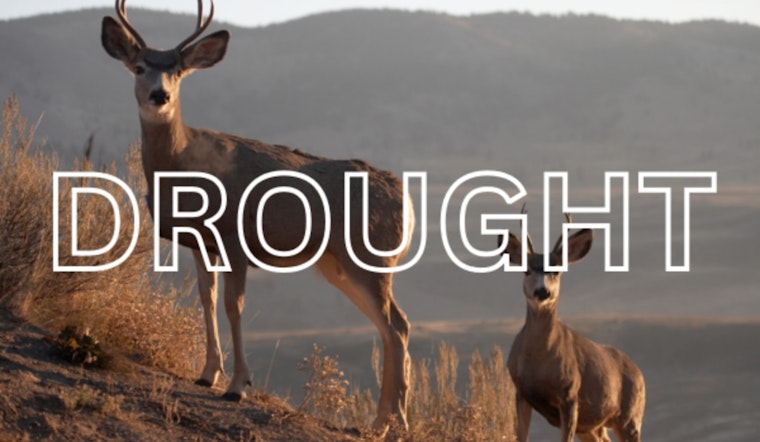
Drought also spells trouble for wildlife, driving animals towards urban areas in search of sustenance. The diminished water levels affect Utah's fish, particularly trout in lower elevations, due to elevated temperatures and lower oxygen levels. The Division of Wildlife Resources monitors these conditions, with biologists keeping an eye on species competition, specifically between elk and deer, and the impacts on agricultural lands. To assist these efforts, they've encouraged anglers to fish early in the day when temperatures are cooler and to release fish back into deeper waters.



