

























































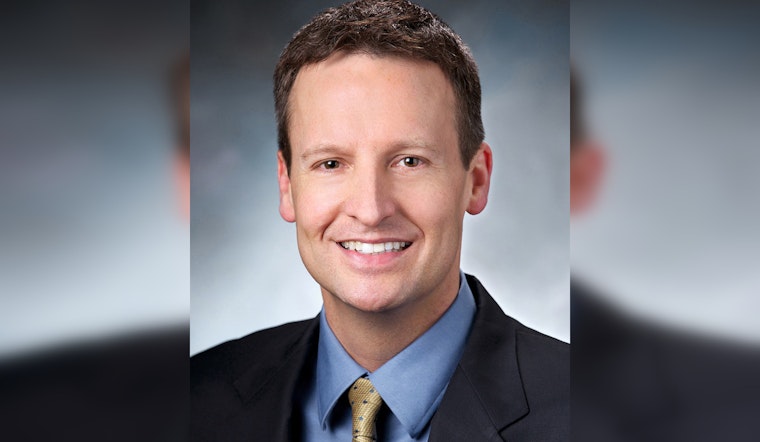
In a landmark decision for the conservation of Washington's forests, Commissioner of Public Lands Dave Upthegrove has declared the preservation of 77,000 acres of ecologically significant forest land. "This is the biggest step forward in forest conservation in our state in a generation," Upthegrove announced, emphasizing the multifaceted approach to manage the land for climate benefits, habitat preservation, and community service.
Upthegrove's measure halts conventional industrial timber harvest on these lands, instead moving to explore alternative strategies such as carbon credit sales and innovative silviculture. The ultimate aim, as stated in a DNR press release, is "to do more to quickly advance our climate, for habitat, and for the communities we serve." The forests in question include over 10,000 acres of soon-to-be old-growth woodlands, and this preservation effort marks a significant shift toward environmental consciousness in state policy.
Central to the Commissioner's strategy is the involvement of ecosystem services markets to foster revenue avenues beyond the traditional lumber trade. "I am committed to quickly working with the Legislature to get the authority to enter ecosystem services markets with these acres," Upthegrove said, as per the DNR announcement. The conservation move aligns with a unanimous 2022 state Supreme Court decision prompting the DNR to manage state forests for the benefit of the public at large, not only for fiscal gain.
Despite this turning point, some forests will remain available for timber production. These 29,000 acres will help to ensure that schools and local governments are not suddenly cut off from a traditional source of revenue. The strategy laid out by Upthegrove aims to provide a just transition, allowing communities time to adapt to diversify their economic models. Support for this shift has come from various quarters, including the Quinault Indian Nation's President Guy Capoeman, who told the DNR, "We need more of this thoughtful, responsible approach to decisions about forestry, the timber industry, and rural economies."
Indeed, the Commissioner has set in motion a plan that stakes out new ground for environmental stewardship while still considering the practical needs of Washington's communities. This duality is captured by State Schools Superintendent Chris Reykdal, who shared with the DNR, "It’s a testament to Commissioner Upthegrove’s leadership that today we are talking about a different path for our older forests, certainty for the rural schools and libraries that rely on revenue from DNR, and an opportunity to move forward together––for our communities, for our forests, and for our children."





.jpg)