

























































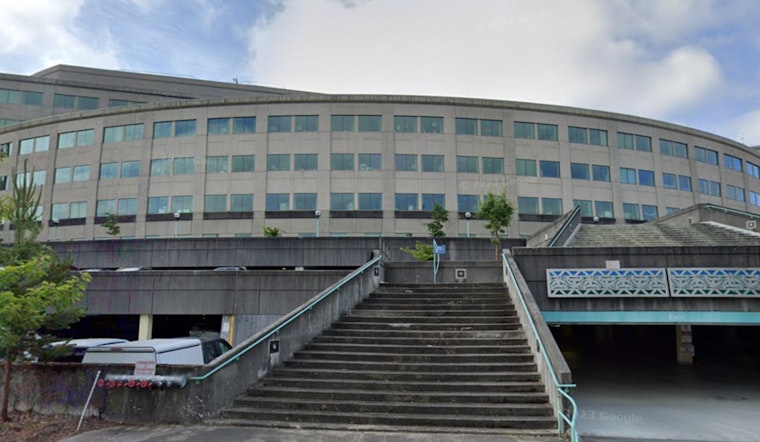
The Washington Fish and Wildlife Commission, tasked with setting policy for the Washington Department of Fish and Wildlife (WDFW), elected fresh leadership and pondered over various legislative proposals during their recent meeting from August 14-16 in Bellingham. Highlights from the meeting included discussions on Chinook salmon population restoration efforts in partnership with local entities such as the Lummi Nation, Nooksack Indian Tribe, and representatives from the City of Bellingham, as per details on the WDFW's website.
In addition to committee meetings and public forums, the assembly saw the unanimous election of James "Jim" Anderson of Buckley as the new chair and John Lehmkuhl, Ph.D., of Wenatchee as vice chair, with a full list of Commission members available on the Department’s webpage; these leadership changes reflect the Commission’s ongoing efforts to address the state's wildlife challenges. Other key reports included updates on habitat management, resident native trout harvest policy, and progress in hatchery monitoring, while the Fish Committee enabled the WDFW Director to make decisions on lowland lakes fishing season adjustments in the Eastern Region.
Friday’s schedule featured open public dialogue and reports from WDFW leadership, including Director Kelly Susewind and North Puget Sound Region Director Brendan Brokes, also Commissioners reviewed a briefing on the Skagit Wildlife Area Management Plan, the details of which underscore the agency's commitment to regional habitat concerns. The latter part of the day focused on legislative and budget proposals for the upcoming 2026 state legislative session, with commissioners deciding what initiatives to progress.
The Commission wrapped up on Saturday with more chances for the public to engage and provide input, discussions on future meeting strategies occurred and the session concluded with an executive session, all while considering the complexities of wildlife preservation and the various stakeholder interests involved. For greater transparency and public accessibility, all presentation slides and materials were published on the Commission’s agenda page, and a recording of the hybrid meeting is available on the WDFW's Commission meetings webpage for anyone interested.
It’s the Commission's role to balance ecological responsibilities and recreational demands, setting policy for WDFW to preserve and sustain native species and habitats, and their recent gathering in Bellingham is just one aspect of this critical public service. Individuals eager to learn more about the Commission activities or to view past and future meeting information can do so through the Department's dedicated online portal.




