

























































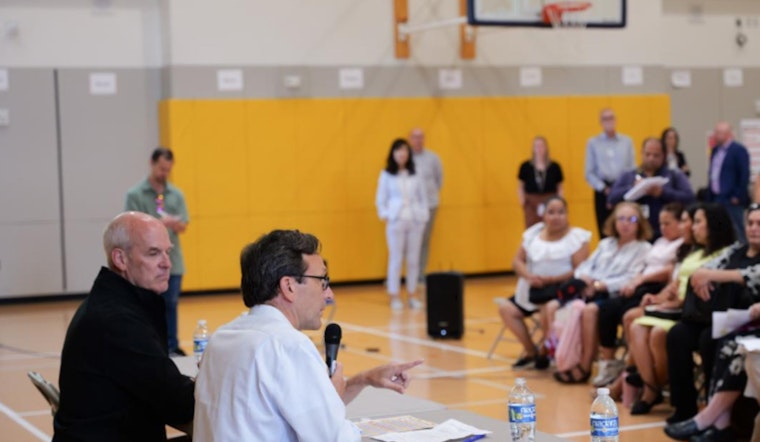
In a recent session at Lynnwood Elementary School, Governor Bob Ferguson stood alongside U.S. Rep. Rick Larsen, engaging with the community over the grim reality of federal food assistance program cuts. This includes the imperative Supplemental Nutrition Assistance Program (SNAP), which has recently endured financial slashes under the current administration. As reported by the Governor's Office, both officials voiced their concerns and listened to personal narratives recounting the struggles these cuts have imposed on local families and the Edmonds School District.
While serving bagged lunches to children participating in a summer meals program, Governor Ferguson criticized the federal government's actions, stating, "The Trump Administration's attacks on safety net programs like SNAP harm our most vulnerable Washingtonians, all to pay for tax breaks for the wealthiest Americans." Congressman Larsen concurred, directing his disapproval towards the Republican party's priorities, "President Trump and Republicans are attacking food assistance here in Northwest Washington state and across the country," Larsen said. "They care about the richest Americans and the largest corporations, and the Big Ugly Law is a clear indication of that," as stated by the Governor's Office.
The conversation unearthed the disconcerting statistics surrounding SNAP dependency in the state of Washington. According to the Governor's Office, monthly, approximately 1 million residents rely on SNAP benefits to put food on their table, with children making up thirty-four percent of that demographic. Faced with a Congress that passed H.R. 1 last month, every individual dependent on SNAP will experience a reduction in their benefits, with an estimated 137,000 Washingtonians at risk of complete loss owing to new work requirements imposed by the legislation. This law particularly impacts refugees and asylum seekers, stripping approximately 33,000 of them from being eligible for any assistance at all.
Factoring in these cuts, the state anticipates a loss of $360 million annually, funds that would have otherwise circulated through grocers, farmers' markets, and supported the livelihoods of workers within these sectors. When the state begins shouldering a share of the SNAP burden starting October 1, 2027, it could burden its coffers by up to $300 million a year.





