

























































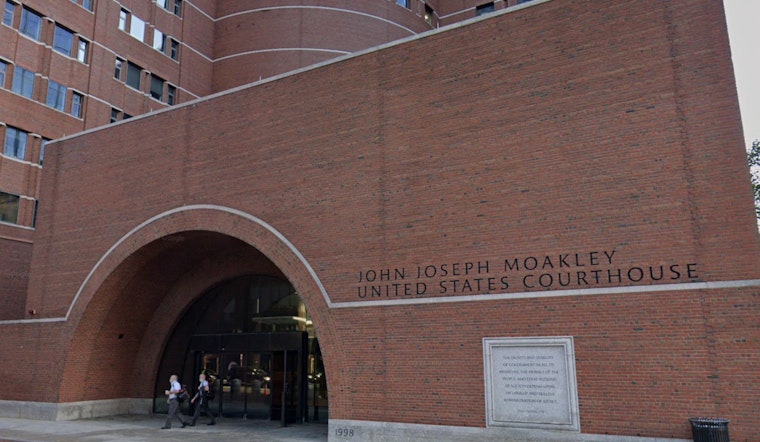
A Boston man, identified as 33-year-old Lonnie Smith-Matthews, has been hit with a slew of charges including loan and check fraud involving the plundering of the Paycheck Protection Program (PPP) and the theft of checks, including a significant U.S. Treasury tax refund check. On counts that range from wire fraud to money laundering, Smith-Matthews is potentially facing a lengthy stint behind bars, as reported by the U.S. Attorney’s Office.
The indictment includes two counts of wire fraud, one count of theft of government funds, two counts of bank fraud, and two counts of money laundering. In June 2025, Smith-Matthews' arrest became part of the larger narrative of a federal crackdown targeting stolen U.S. Treasury checks, a situation that points to the ongoing vulnerabilities in governmental financial safeguards. His alleged scheme to defraud the PPP involved laying false claims of a business income of $128,000 – more than double what he actually made, and for a business that did not exist. A pre-trial date is still pending.
Smith-Matthews' web of alleged deceit spun further to ensnare a tax refund check earmarked for a North Carolina couple, which he reportedly altered to make payable to his own defunct clothing company, ringing up to $150,000. He's also accused of pilfering and then altering a check from a New York law firm to the tune of $232,000, adding it to the financial wreckage. Following these high-dollar deposits, the indictment states that Smith-Matthews supposedly funneled the cash through cashier’s checks to a so-called roofing company in an act of money laundering.
The severity of Smith-Matthews' potential penalties reflects the gravity of the charges: up to 10 years for theft of government funds, 20 years per count of wire fraud and money laundering, and a staggering 30 years for bank fraud. These sentences are accompanied by possible fines that collectively scale to millions of dollars. These charges, as outlined by U.S. Attorney's Office, demonstrate the government's intent to impose weighty consequences for defrauding national financial systems. In a litany of official voices weighing in on the matter, U.S. Attorney Leah B. Foley, along with several special agents in charge from varying federal departments have gone on record about this case. The prosecution is being led by Assistant U.S. Attorney Kriss Basil.
The allegations against Smith-Matthews are exactly that until proven otherwise in a court of law. He remains innocent until if or when that guilt is established beyond a reasonable doubt. The scale of the alleged fraud, however, underscores a persistent need for rigorous oversight in government funding programs, especially those designed as lifelines during economically tumultuous times.





