

























































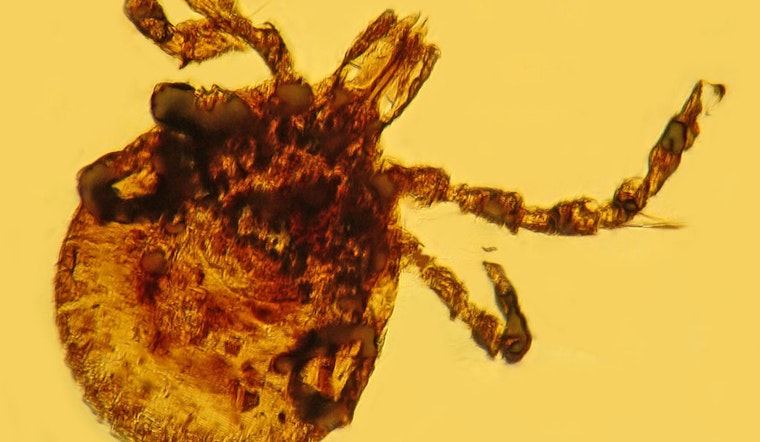
An Illinois resident has reportedly become seriously ill with a case of Powassan virus, a tick-borne illness not previously recorded within the state. According to NBC Chicago, this is the first time this particular virus, which is typically spread through bites from infected ticks, has been identified in Illinois. Dr. Sameer Vohra, Director of the Illinois Department of Public Health (IDPH), has urged the public to take precautions against tick bites by wearing preventive clothing and checking for ticks after spending time in tick-prone environments. "With warm weather still prevalent, tick-borne diseases remain a potential threat here in Illinois," Dr. Vohra stated.
In response to the case, IDPH has increased surveillance efforts across the state, testing ticks for the Powassan virus. For those who frequent the outdoors, particularly wooded or grassy areas, health officials recommend thoroughly inspecting clothing and skin for ticks upon returning indoors. "Fight the Bite" is the new mantra, as officials are stressing the importance of being vigilant about ticks, which can transmit diseases aside from Powassan, including Lyme disease, anaplasmosis, babesiosis, and other severe conditions if left unchecked.
Adding to concerns, a recent study from the University of Illinois Urbana-Champaign, highlighted in a report by news.illinois.edu, has identified hotspots for disease-carrying ticks within the state. The research pinpoints clusters of counties with high tick populations, which are now considered at greater risk for several tick-borne diseases. Notably, certain species like the lone star tick, the black-legged tick, and the dog tick have been found to be more prevalent in different parts of Illinois, ranging from southern to northern counties.
With the study's findings rooted in several years of data collection and observations, Illinois health and safety officials can better direct resources to combat these diseases. However, the concern is not limited only to identified hotspots. Rebecca Smith, a pathobiology professor involved in the research, noticeably mentioned, "Just because there isn’t a county-level hotspot near you doesn’t mean that there’s no ticks," according to news.illinois.edu. Smith emphasizes the need for locals to protect themselves from ticks regardless of their specific location.
Essential preventive measures against tick bites include wearing long pants, using light-colored clothing to easily spot ticks, and employing insecticides such as permethrin on clothing. Clear communication of these precautions is crucial, especially now that tick-borne illnesses have shown an ability to suddenly appear in new regions. Both citizens and health departments are being called to remain alert to the shifting landscapes of vector-borne diseases, as changing climates and ecological conditions continue to redefine regional health risks.





