

























































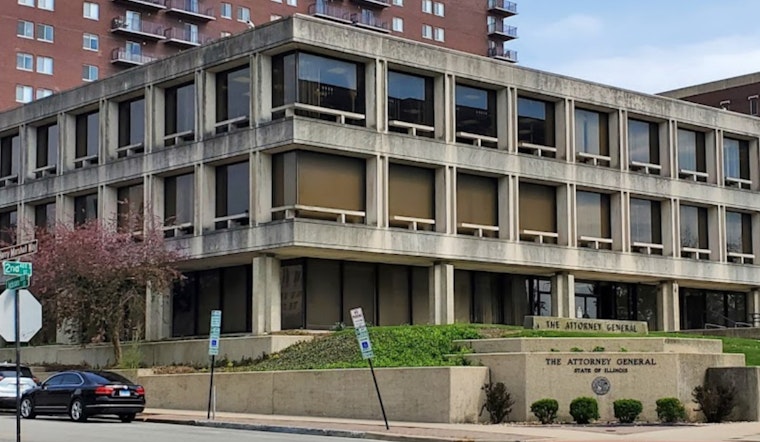
In a move to uphold environmental safeguards, Illinois Attorney General Kwame Raoul is at the forefront of opposing the Trump administration's proposed rollback of pivotal climate change policies. Raoul, joining forces with a coalition of statesmen, cities, and counties, has expressed staunch disapproval of the U.S. Environmental Protection Agency's (EPA) plan to nix its 2009 Endangerment Finding on greenhouse gases, as well as the agency's initiative to repeal federal emissions standards for all classes and years of motor vehicles. This position was detailed in two separate comment letters, as reported by the Office of the Illinois Attorney General.
"The Trump administration's proposals would undo decades of progress we have made to address climate change by eliminating all existing EPA vehicle greenhouse gas emission standards and denying the EPA's authority to regulate harmful air pollution that causes climate change," Raoul stated, reflecting a concern pervasive amongst the opposition. According to a finding confirmed last week by the National Academies of Sciences, Engineering, and Medicine (NAS), the 2009 Endangerment Finding from the EPA was not only accurate but is now even more firmly substantiated by current scientific evidence. Unfortunately, the attempted rescission by the EPA seems to disregard these robust scientific affirmations.
The EPA’s decision to possibly retract the 2009 Endangerment Finding challenges the facts of climate science, while over 12 climate-related incidents in Illinois alone have had significant economic impacts, each causing over $1 billion in damages. To combat this regressive step, Raoul, along with multiple states and cities, implores the EPA to maintain its lawful and scientifically backed stance on greenhouse gases, as detailed in their comment letter. This group includes representatives from across the United States, from Arizona to Wisconsin, and cities such as Chicago, New York, and Oakland. They all press the EPA to renounce its baseless and illegal proposal, which fundamentally conflicts with the Clean Air Act and established Supreme Court precedents.
In parallel efforts, Raoul charged against the Department of Energy's (DOE) Climate Working Group report, which influenced the EPA's proposed rescission. The attorney general, alongside a coalition, submitted a comment letter on Sept. 2, highlighting numerous procedural and substantive issues with the report. Among the critical points, the report was written in under two months, had multiple factual inaccuracies, and omitted essential climate research. Raoul and his counterparts identify this as an endangerment not just to the environment but to public health and the integrity of regulatory processes. This collective of legal officers, representing various American locales, showcases a unified front in preserving climate progress and upholding regulatory measures that spur innovation and support the auto industry.
With the stakes higher than ever, the coalition's legal interventions highlight the urgency of protecting standards that save consumers money and stimulate manufacturing and jobs. The EPA’s proposed overhaul threatens to disrupt decades of environmental regulation, undermining efforts to combat the intensifying challenges of climate change. As such, Raoul's participation in these collective actions signifies a continued commitment to battling the EPA’s propositions, which are not only catastrophic for states and residents but also jeopardize the success of crucial industries. The entwined fate of natural resources, public health, and economic prosperity rests heavily on the decisions made by agencies like the EPA, a responsibility that Raoul and his colleagues urge the agency to wield judiciously.




