

























































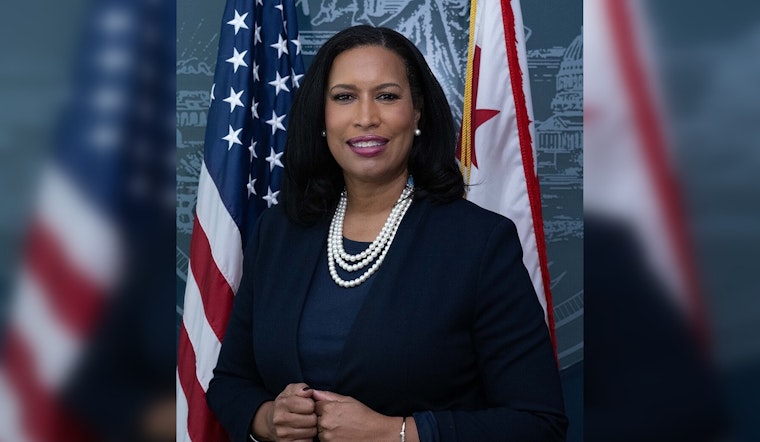
In a move to enhance the remuneration of the city's police force, Mayor Muriel Bowser, alongside DC Council Chairman Phil Mendelson, unveiled a new labor contract with the DC Fraternal Order of Police Union, benefiting close to 3,000 law enforcement officers across the Metropolitan Police Department (MPD). As reported by the MPD's official web page, the agreement brings a series of pay rises for officers in various ranks, as well as non-union members.
Addressing the needs of a department in contraction over the past decade, Mayor Bowser emphasized the necessity of competitive pay to bolster the MPD's capacity. "This is about making sure we have salaries that reflect our city’s appreciation for the work our officers do every day to keep DC safe and it’s about making sure we offer competitive pay at MPD so that we can increase the size of our police department," Bowser stated in a release made available by mpdc.dc.gov. The new wage package will deliver cost-of-living adjustments soaring to 4.5% for Fiscal Year 2024, with a subsequent increment of 4.25% lined up for Fiscal Years 2025 and 2026.
The pact doesn't stop at uniformed personnel; non-union officials, known colloquially as "white shirts", are also set to benefit from the salary improvements, aiming to maintain equitable wages across the board. Police Chief Pamela A. Smith hailed the contract, while also noting the additional steps the administration is taking, such as supporting the Deferred Retirement Option Program (DROP) and recruiting initiatives to attract and retain talent. "The men and women of the Metropolitan Police Department deserve our greatest appreciation for the work they do around the clock keeping our city safe," Smith articulated in the MPDC announcement.
Among the recruitment and retention strategies is an expansion of the MPD take-home vehicle policy, adding an additional 100 vehicles for officers who reside within the District. Moreover, a statement of administration policy backed the implementation of DROP, abolishing the mandatory retirement age and extending the Senior Police Officer program to cover lieutenants. Meanwhile, the Council of the District of Columbia recently passed an act allowing police recruits to earn college credits during their training—an initiative Chancellor Maurice D. Edington of the University of the District of Columbia described as a trusted partnership between the academic institution and the Mayor's office in the recent briefing by the MPD.
To realize these changes, Chairman Mendelson is slated to push emergency legislation at the Council's session on September 17, with the aim of implementing the pay increases before the turn of October. This decisive action seeks to imbue the MPD with the financial support and workforce needed to ensure ongoing public safety in the nation's capital.





