

























































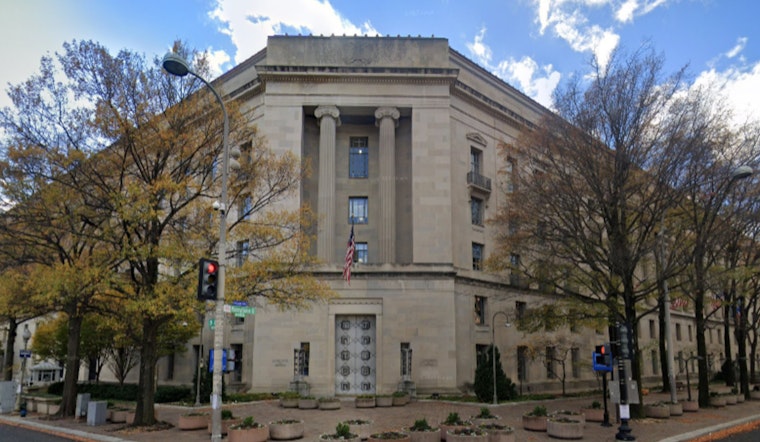
A Miami seafood executive has admitted to manipulating prices for Florida's stone crab claws and spiny lobster, in a plea that sheds light on how collusion can drive up seafood prices. Dennis Dopico, the vice president of a Miami-based seafood wholesaler, entered a guilty plea to a charge of price-fixing conspiracy, affecting the amount paid to local fishermen for their catch, the Justice Department reported.
Documents presented in the U.S. District Court in Miami detailed how, from 2023 through 2025, Dopico and his unidentified competitors suppressed fair competition by setting prices on seafood. Such actions not only artificially lowered the income of fishermen but also affected consumers who ended up paying more for seafood at markets and restaurants. Acting Deputy Assistant Attorney General Omeed Assefi of the Justice Department’s Antitrust Division stated that “Criminal conspiracies to deprive hardworking Americans the right to earn a fair wage are untenable in a free society. As the defendant admits, his price fixing conspiracy unfairly took money out of the pockets of hardworking fishermen for years," as noted by the Justice Department.
The investigation uncovered how Dopico and co-conspirators exchanged secret messages to coordinate on what they would pay to the fishermen, price-setting that evolved with the harvest seasons. In one such exchange, Dopico instructed a co-conspirator, "[d]on’t show text to anyone[.] Confidential,” to maintain their illicit agreement under wraps, according to the Justice Department. His co-conspirator assured his discretion, grounding their relationship in a supposed partnership rather than competition.
Dopoico's guilty plea acknowledges his participation in the price-fixing conspiracy, with related commerce amounting to an estimated $8 million. The felony count of restraining trade carries a potential 10-year prison sentence and up to a $1 million fine for individuals—a figure that can jump significantly if it's less than twice the gain or loss from the crime. For corporations entails in such anti-competitive conduct, the stakes are even higher, with fines potentially reaching $100 million. Sentencing is set for January 5, 2026.
The U.S. Fish and Wildlife Service has taken the lead on this investigation, highlighting the environmental impact of undermining the economic underpinnings of the fishing industry. Assistant Director Doug Ault stressed the importance of fair market practices for the sustainability of American businesses and fisheries. With the case heading toward sentencing, the Justice Department continues to urge anyone with relevant information to come forward.





