

























































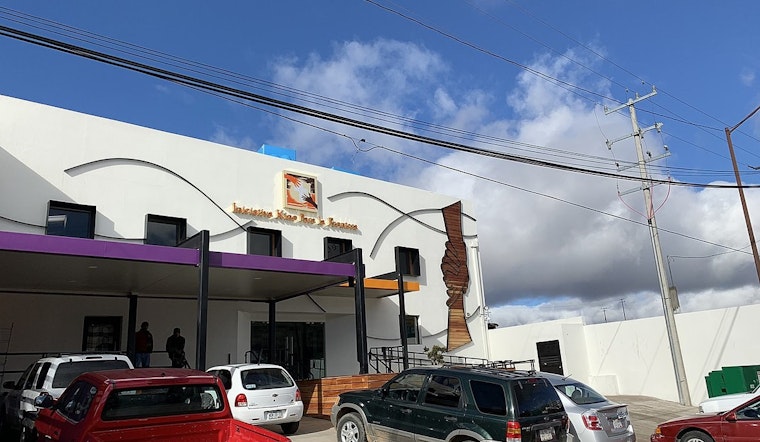
The Kino Border Initiative (KBI), a migrant shelter in Nogales, Mexico, has been actively cataloging the lives torn apart by the current mass deportation climate. Their recent survey, covering the months from May to July, showed that a significant number of deportees had made a home in the United States for over a decade, only to be uprooted and removed. According to a report by KJZZ, 44% of the surveyed deportees had lived in the U.S. for ten years or more. Joanna Williams, the executive director of KBI, emphasized that these individuals were not just statistics; they were integral parts of their communities.
The deportations have not only been splitting families, forcing separation from loved ones still in the U.S., but have also been characterized by a high internal removal rate. The survey, which KBI conducted, indicated that above 57% of those deported were apprehended from within the U.S., a significant jump from 5% in previous years. "Deportations at this moment are deportations of community members," Williams told KJZZ, pointing out the alarming trend of long-term residents being removed.
While some deportations are ostensibly aimed at enhancing public safety, the initiative by U.S. Border Czar Tom Homan and the Trump administration broadly categorizes anyone in the U.S. illegally as a candidate for removal. "It's not okay to be in this country illegally," Homan stated in a White House briefing, as reported by ABC15. This wide net has included many who have spent years building lives and contributing to society, exemplified by the surge in ICE arrests, with more than 61,000 people currently detained, according to nonprofit immigration records.
The impact of these policies reaches beyond the immediate families sharply divided, extending to communities and businesses that have grown to depend on these residents. Responses to these increased deportation efforts are mixed, with immigration lawyers urging those without permanent status to quickly prepare a case for residency. "If you want to stay in the United States, you have to get a case pending. If not, you have to make a very difficult choice on where to go from here," Hillary Walsh, an immigration attorney with New Frontier Immigration, said in a discussion with ABC15. Additionally, the deportees are experiencing extended detention times, with the majority being held for more than ten days before being deported.





