

























































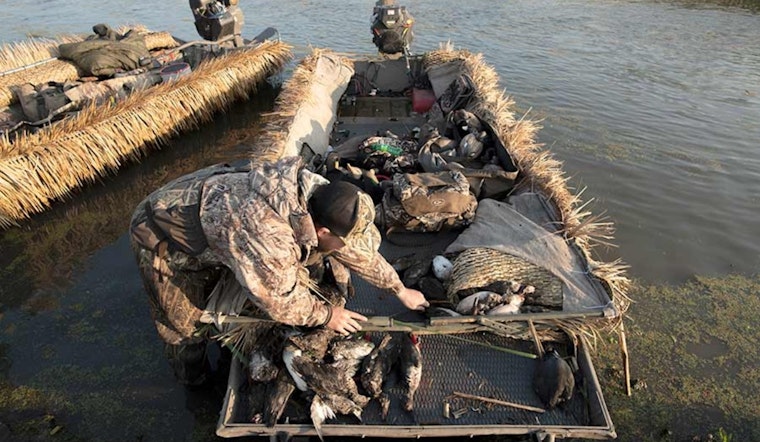
As the Utah waterfowl hunting season descends upon us, hunters eagerly await the chance to take to lakes and wetlands in pursuit of ducks, geese, and tundra swans. The season, detailed by the Utah Division of Wildlife Resources, opens with a series of requirements, including the possession of a hunting or combination license and a free Harvest Information Program (HIP) number.
Hunters over the age of 16 will need to ensure they have obtained a federal migratory bird hunting and conservation stamp, also known as a duck stamp, which can be acquired via various methods, such as the local post office or through third-party vendors like Duckstamp.com. According to Jason Jones, DWR Waterfowl and Migratory Game Birds Coordinator, "Federal duck stamps help fund wildlife conservation across the U.S.," with a significant portion of the purchase fee directly aiding habitat acquisition and protection efforts, according to the Utah Division of Wildlife Resources.
This 2025 hunting season, hunters can expect robust local duck populations in the state's wetland management areas, despite a marginal decline in North America's duck numbers, sitting just 4% below the long-term average. Hunters are encouraged, as Jones indicated, to spend time scouting before the hunt to increase their chances of success, paying attention to habitat preferences specific to each duck species.
For goose hunting, while local Canada goose production seemed down, wildly due to drought conditions, overall Canada goose populations in the Pacific Flyway have seen an increase. The area's goose seasons are staggered by zone and type, detailed within the Utah Waterfowl and Migratory Game Birds Guidebook, with hunting opportunities beginning as early as October 4th. As for tundra swans, they continue to move through Utah in tens of thousands, adhering to their traditional migratory paths.



